Eight Indonesia Players Face Injury Concerns Before FIFA ASEAN Cup 2026
Eight players are fitness concerns for Indonesia ahead of the FIFA ASEAN Cup 2026, with several set to miss the tournament.
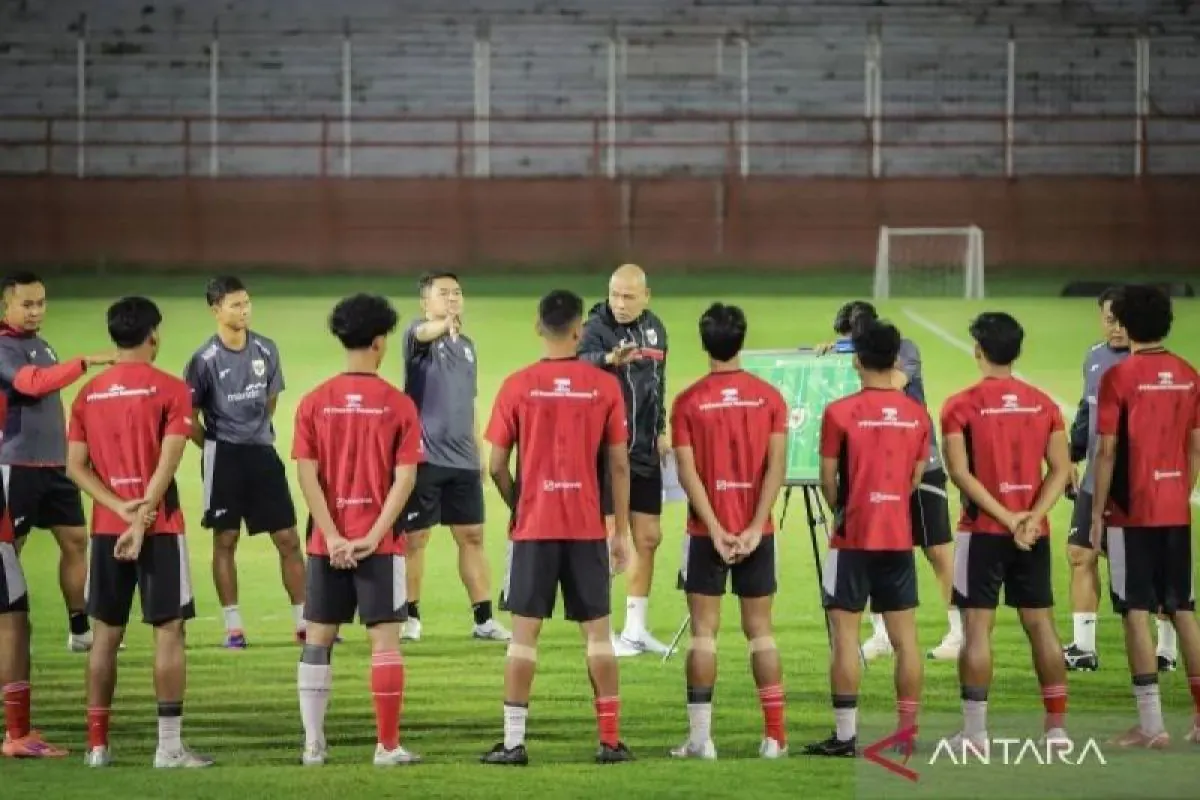
Eight players in Indonesia’s national team were still dealing with injuries or fitness issues on 16 September 2026, eight days before the FIFA ASEAN Cup was scheduled to begin. Their situations vary, according to a report by ANTARA, Indonesia’s news agency: some are confirmed unavailable, while others are recovering or awaiting further assessment.
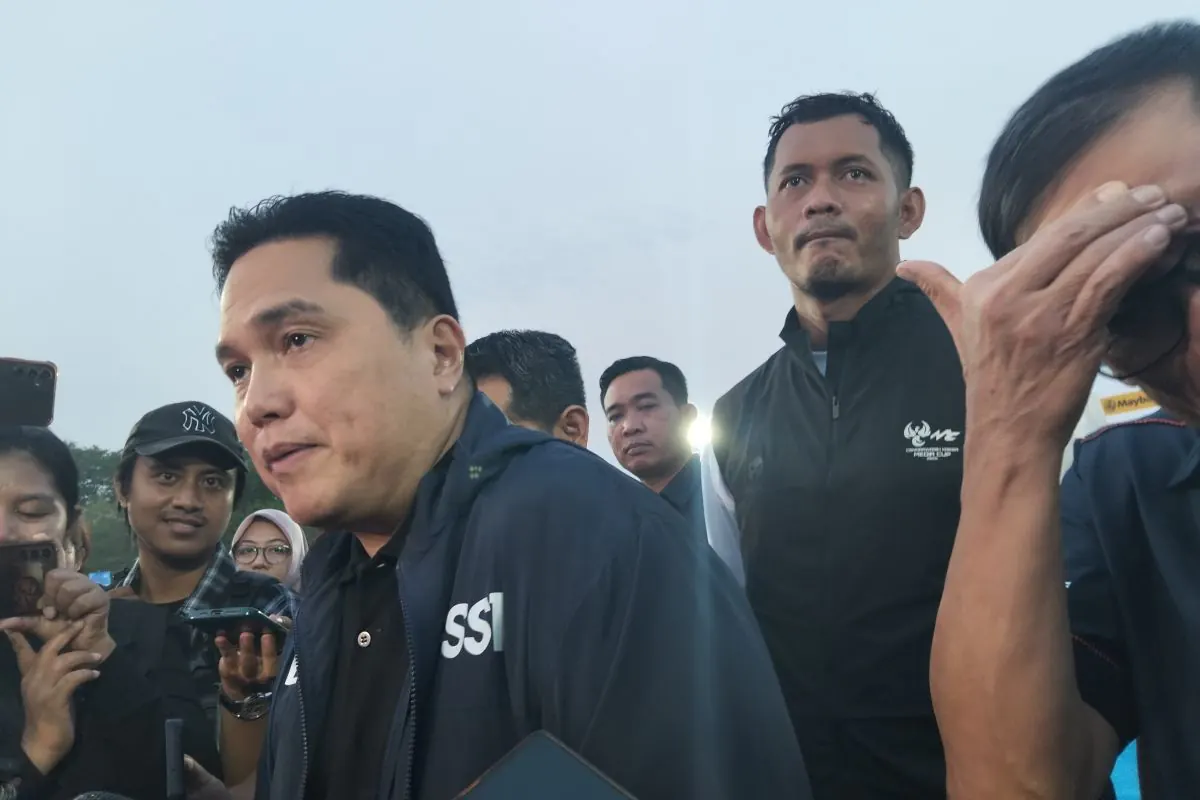
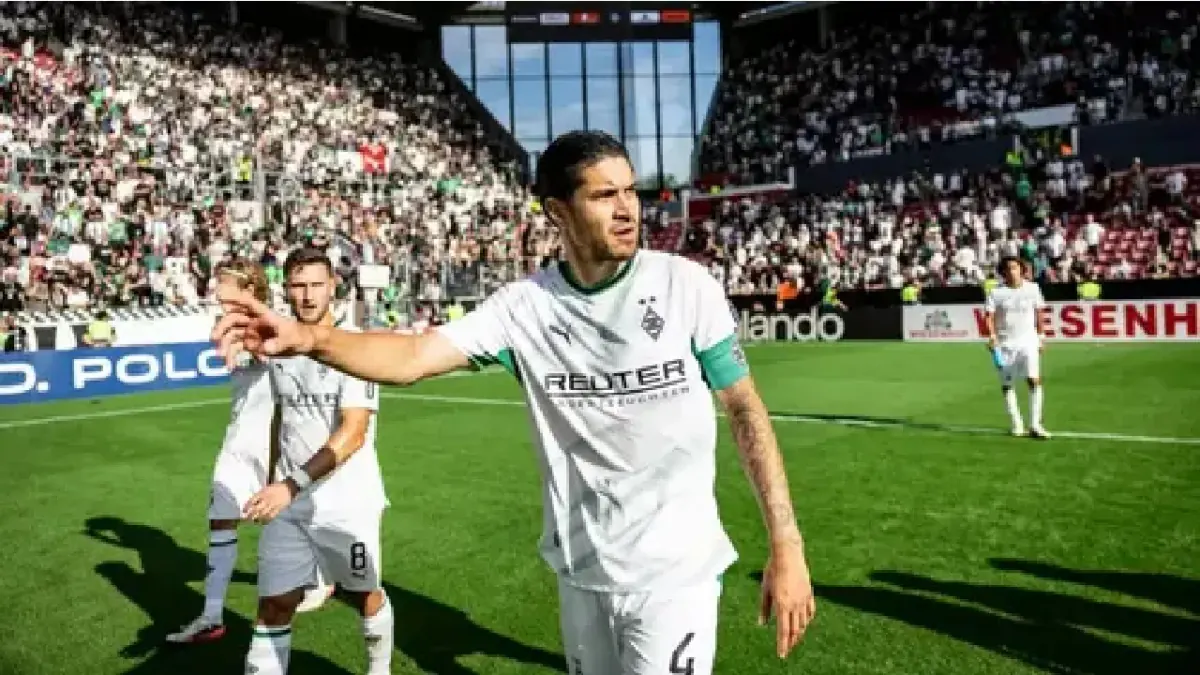
The players are Jay Idzes, Rizky Ridho, Adrian Wibowo, Mees Hilgers, Miliano Jonathans, Marselino Ferdinan, Shayne Pattynama and Sandy Walsh. Erick Thohir said Adrian, Hilgers and Jonathans were unable to join the squad as they continued their recovery. Idzes sustained an injury to his left quadriceps while playing for Sassuolo and was expected to need about a month to recover. Marselino underwent knee surgery in August.
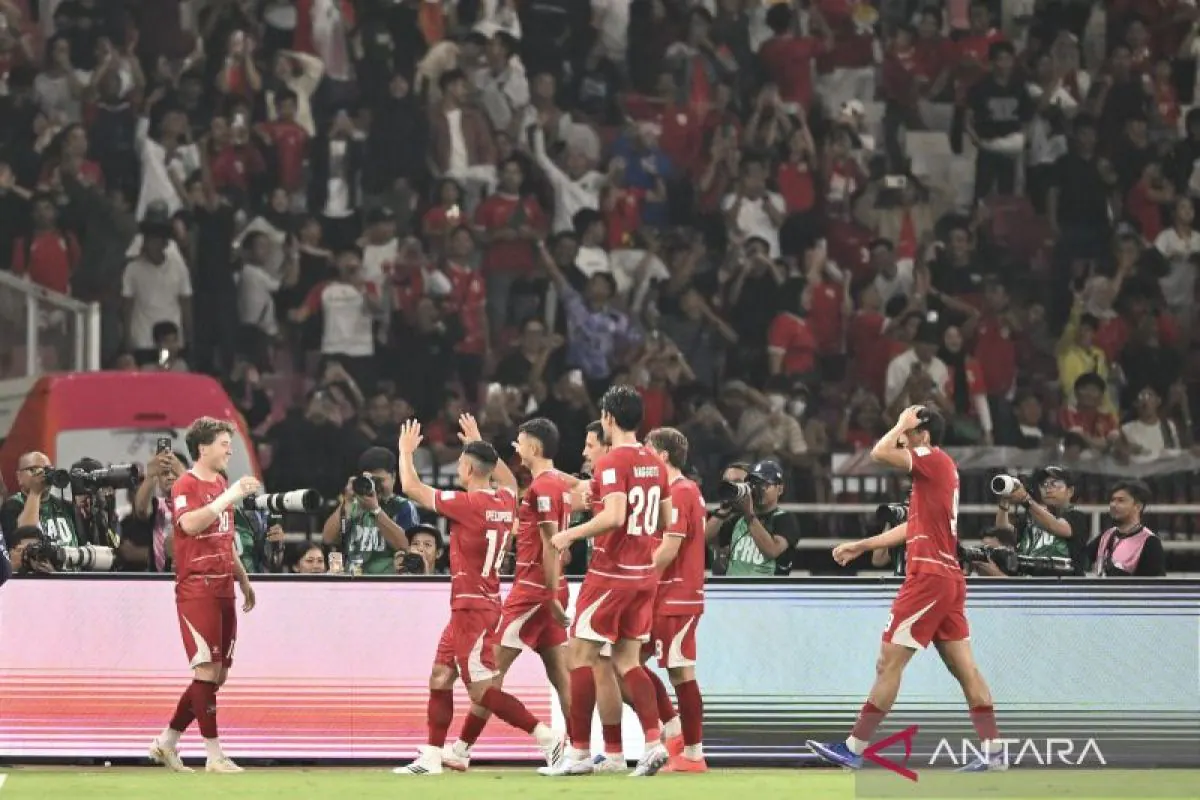
Ridho’s condition was not considered concerning, while it remained unclear whether Shayne and Sandy would be ready to play. Indonesia were scheduled to open their Group A campaign against Singapore on 25 September at Gelora Bung Karno Main Stadium in Jakarta. The players’ fitness was one factor for coach John Herdman to consider as he prepared the squad.
Assessing Players’ Readiness Before the Tournament
In football, an injury list does not necessarily mean every player named will miss out. Medical staff and coaches usually assess each player individually, taking into account the type of injury, pain, mobility and how the body responds to training. Even a player who has returned to training may not yet be ready for a match at full intensity.
That distinction matters because “recovery” can involve several stages. A player may begin with light or separate training before rejoining team sessions. They then need to rebuild their fitness and test movements specific to the sport, such as sprinting, turning, jumping and making contact. Decisions on whether to play typically take into account the risk of a recurrence and the team’s needs, not just whether a player can walk or train.
The type of injury also affects the expected return timeline. A muscle problem can limit sprinting and changes of direction, while a knee injury may affect stability or weight-bearing movement. But the name of an injury alone is not enough to determine when someone will be ready to play; severity and individual responses to treatment vary. Recovery estimates are therefore not guarantees of a specific return date.
Coaches must also balance tactical needs with the players available. Centre-backs, full-backs, midfielders and forwards face different physical demands. If several players in one position are not ready, staff can select others to fill the role or adjust the team’s approach. The experience of an unavailable player may be valuable, but rushing them back could increase the risk to the player and limit the team’s options for subsequent matches.
An international break gives the national team time to bring players together, but that time is limited and depends on club schedules and travel. Fitness assessments ahead of a tournament can therefore change right up to match day. A call-up, training with the squad and a place in the final lineup are separate steps: being on the coach’s radar does not automatically mean a player will be selected or take the field.
What Supporters Should Watch For
For readers in Indonesia, the injury news is important because the national team’s lineup may change as the match approaches. Early reports about players who have yet to recover do not always match the final list available to the coach. Supporters should distinguish those confirmed unavailable from players still being monitored, and should not treat a recovery estimate as confirmation that someone will play.
Squad changes can affect team selection and the roles given to other players. But without confirmation of the coach’s final decisions, the tactical impact remains uncertain. The report offers no basis to conclude that the players’ injuries will affect prices, policy or people’s daily lives. Their direct impact is more limited to the team’s preparations and supporters’ expectations for the matches.
The next updates to watch are official squad announcements, reports on training and confirmation of players’ readiness ahead of the game. These provide a clearer picture than a list of injured players alone. Tournament readiness also depends on substitutes being able to fulfil their roles, not only on regular starters recovering. Following those updates can help readers assess the situation without confusing recovery with certainty of playing.