Eight Young Players to Watch in the 2026-27 NBA Season
The 2026-27 NBA season begins on 20 October. Cooper Flagg, Dylan Harper and several other young players will be in the spotlight.
The 2026-27 season of the National Basketball Association (NBA) officially begins on 20 October 2026 in the United States, or 21 October in Indonesia. Cooper Flagg, Dylan Harper, Stephon Castle and five other young players are among those to watch throughout the season.
According to a report by ANTARA, Indonesia’s national news agency, attention is not limited to rookies entering the league for the first time; it also falls on players heading into their second season. Flagg, the first pick in the 2025 NBA Draft, averaged 21 points, 6.7 rebounds and 4.5 assists in his debut season with the Dallas Mavericks. He won the 2025-26 Rookie of the Year award.
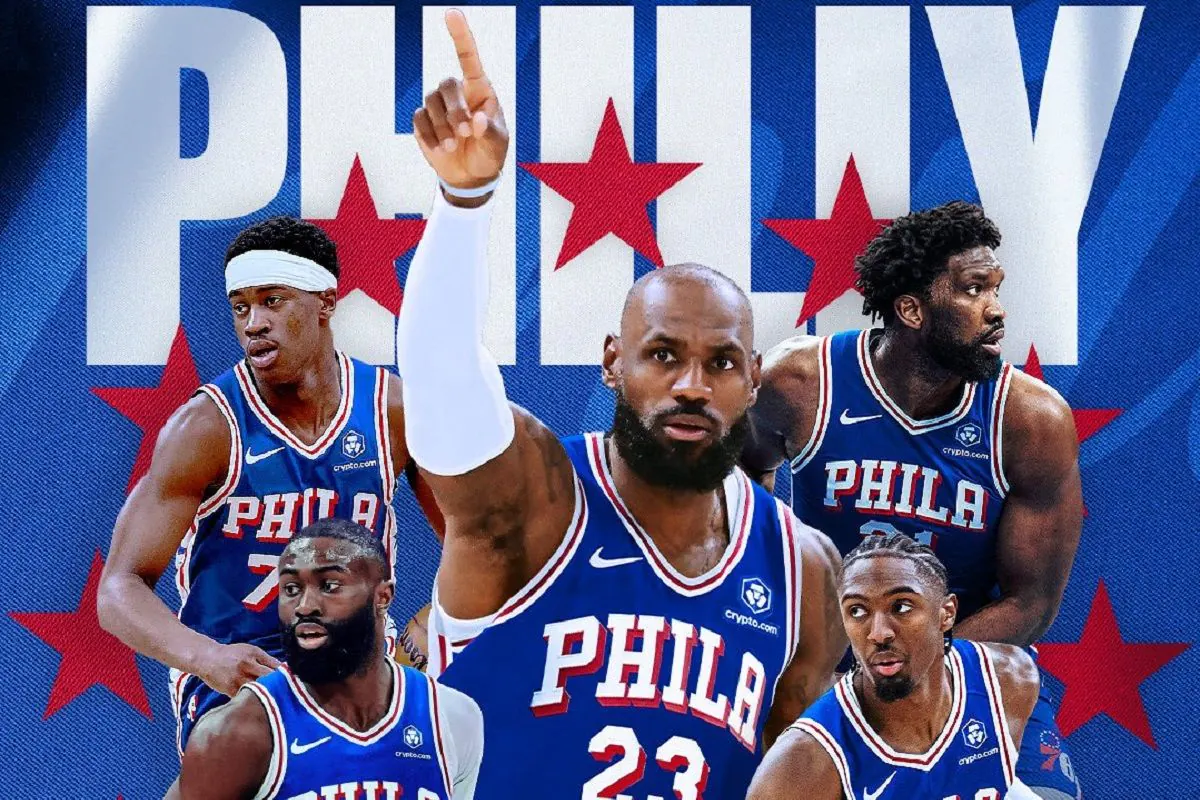
Among the other names, Harper and Castle are carrying hopes for the San Antonio Spurs, while VJ Edgecombe has the chance to develop with the Philadelphia 76ers. Alex Sarr and AJ Dybantsa are players to watch at the Washington Wizards. Cameron Boozer has joined the Memphis Grizzlies, while Caleb Wilson is beginning his NBA career with the Chicago Bulls. The report also highlights the potential for these players to take on major roles, both on teams chasing competitive results and on clubs rebuilding.
Roles and Challenges for Young Players
The move from college basketball or other pre-NBA competition to the professional league demands more than scoring ability. Young players must adjust to the pace of the game, the strength of their opponents, shooting distances and a demanding schedule. They also face experienced players who can read their offensive habits and force them to make decisions more quickly.
A second season is often an important test. During their debut year, players are usually still learning their team’s system and adapting to the physical demands. After a season, coaches and opponents have more game footage to study. Players need to show that their progress was not simply the result of an early surprise. For rookies, the challenge is different: they must prove that their abilities at the previous level can be applied consistently in the NBA.
Numbers such as points, rebounds and assists help show a player’s contribution, but they do not tell the whole story. Points should be considered alongside shooting efficiency and a player’s role in the offense. Assists reflect part of a player’s ability to create opportunities, but do not always capture the decisions that create space for teammates. The same goes for defensive statistics such as steals and blocks: high numbers do not necessarily show the full picture of a player’s ability to guard opponents or help the team defensively.
Playing opportunities are also shaped by a team’s roster. Players on rebuilding teams may get more minutes and responsibility, but may not immediately face the pressure of a title race. By contrast, joining a team with stars offers the chance to learn in a competitive environment, but playing time may be harder to come by. The development of Harper, Edgecombe, Sarr, Dybantsa, Boozer and Wilson will therefore depend heavily on team needs and coaching decisions, not just their individual potential.
What Indonesian Fans Can Follow
For fans in Indonesia, these young players offer a reason to follow the NBA beyond final scores and the title race. Comparing rookies with second-year players can show how athletes adapt to the demands of professional basketball. Fans can also pay attention to the roles coaches give them: whether they are trusted to handle the ball, become a primary offensive option, or contribute more through defense and off-ball movement.
The available information does not point to any direct impact from these young players on prices, jobs or policy in Indonesia. Their value lies mainly in the viewing experience and a better understanding of the game. Because games are played in the United States, some will take place in the morning in Indonesia, allowing fans to choose matchups that suit their schedules. To judge whether a player is truly developing, fans should look at performances over a meaningful period rather than a single game or a brief run of statistics. Consistency, health, fit with the team’s system and playing opportunities will all be worth watching as the season unfolds.