Formula 1 Agrees to Return to V8 Engines from 2030, Replacing V6 Turbo Hybrids
Formula 1 has agreed to reintroduce cheaper, simpler V8 engines from 2030, replacing the current V6 turbo hybrid power units in a major shift for the sport.
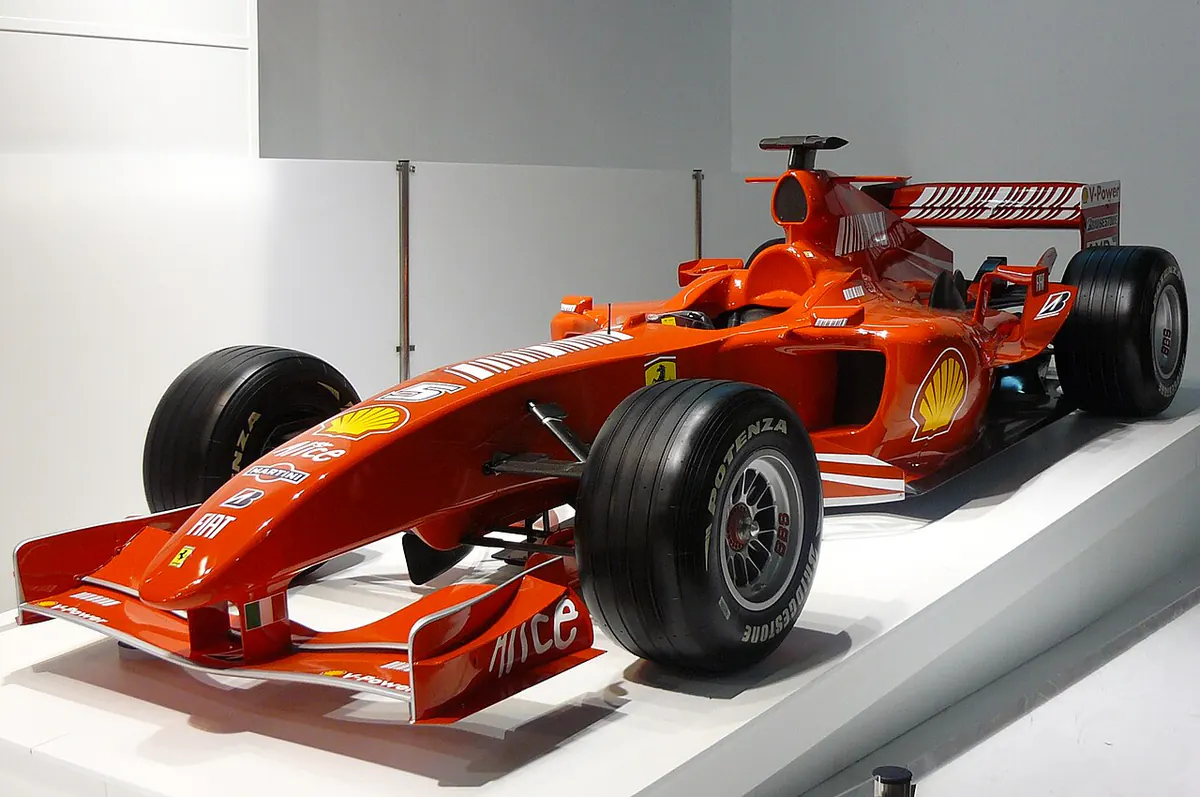
Formula 1 will return to cheaper, simpler V8 engines from the 2030 season, after Formula One Management (FOM), motorsport's governing body the FIA, and engine manufacturers reached unanimous agreement, as reported by Crash.net.
The agreement is the result of months of discussions between the FIA, teams, and drivers on the best direction for F1's next technical rules. FIA president Mohammed Ben Sulayem, who has long championed the return of V8 engines, described the deal as a milestone in shaping the future of Formula 1.
"The return of the V8 represents an opportunity to reconnect with the DNA of this championship, bringing back the sound, emotion, and pure racing loved around the world," Ben Sulayem said. The new engine will be a turbocharged 2.1-litre V8 using sustainable fuel with limited hybridisation.
F1's Engine Journey: From V8 to V6 and Back
F1 previously used V8 engines from 2006 to 2013, before they were replaced by 1.6-litre V6 turbo hybrid power units from 2014. The move to the hybrid era was seen at the time as a major step towards energy efficiency and environmentally friendly technology, in line with the global trend towards electrification.
The 2006-2013 V8 era is remembered as one of the most competitive periods in F1 history. The 2.4-litre engines produced a distinctive high-pitched shriek at high revs that fans still long for. Iconic moments from that era include Michael Schumacher's dominance, the intense rivalry between Fernando Alonso and Lewis Hamilton, and Sebastian Vettel's glory years with Red Bull.
The decision to return to V8 marks a significant change of direction for F1. Since the hybrid era began, criticism has persisted that the smoother engine sound diminished the thrill of racing. The technical complexity of hybrid power units also caused development costs to balloon, a heavy burden for small teams and new manufacturers trying to enter F1.
The planned new V8 will run on sustainable fuel, in line with F1's target of net-zero carbon emissions by 2030. But the approach differs from the previous era: rather than relying on complex hybrid technology, F1 now wants to simplify the engine package to make it more affordable and put driver skill at the centre of competition.
Impact on Fans and Industry in Indonesia
For Formula 1 fans in Indonesia, the decision brings good news on the entertainment front. The louder, more aggressive V8 sound is expected to revive a more dramatic racing atmosphere, both at the circuit and on television. Position battles through corners will feel more intense with the distinctive engine note.
From an industry perspective, the return of a simpler engine could lower the technology development costs that have long been a barrier to new manufacturers. This could open opportunities for more automotive brands to participate, ultimately broadening competition and the variety of engine suppliers. For Indonesia, which is developing its automotive and racing ecosystem, this could serve as a reference that simplifying technology can actually make a competition more appealing.
What needs to be watched now is how smoothly the transition is managed. The final regulatory framework is scheduled to be presented to the FIA World Motor Sport Council in Shanghai next month. If approved, engine manufacturers will have about two years to develop the new V8 before it is introduced in 2030. The decision will also determine the long-term investment direction of manufacturers currently under contract until the end of this decade.
Related News
FIA to Prepare Full-Time Stewards for Formula 1 from 2027
2027 F1 Grid Begins to Take Shape: Confirmed Drivers So Far