Harry Kane wins 2026 Ballon d’Or after prolific season
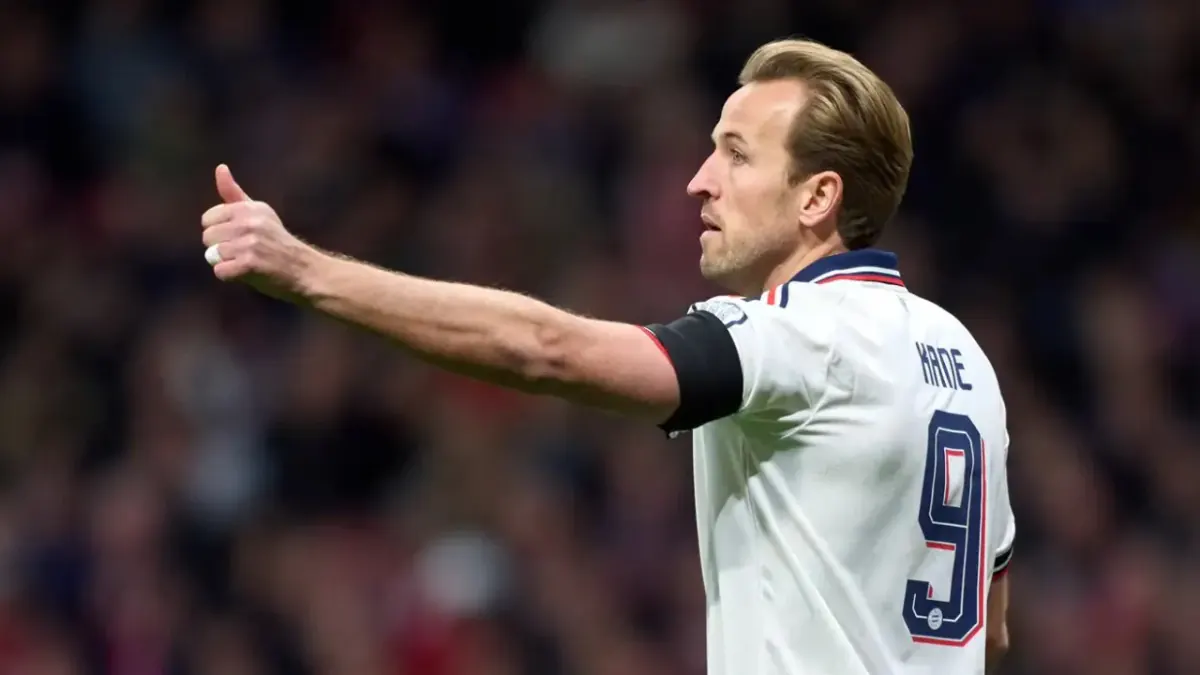
Harry Kane won the 2026 Ballon d’Or in London, finishing ahead of Kylian Mbappe and Lamine Yamal.
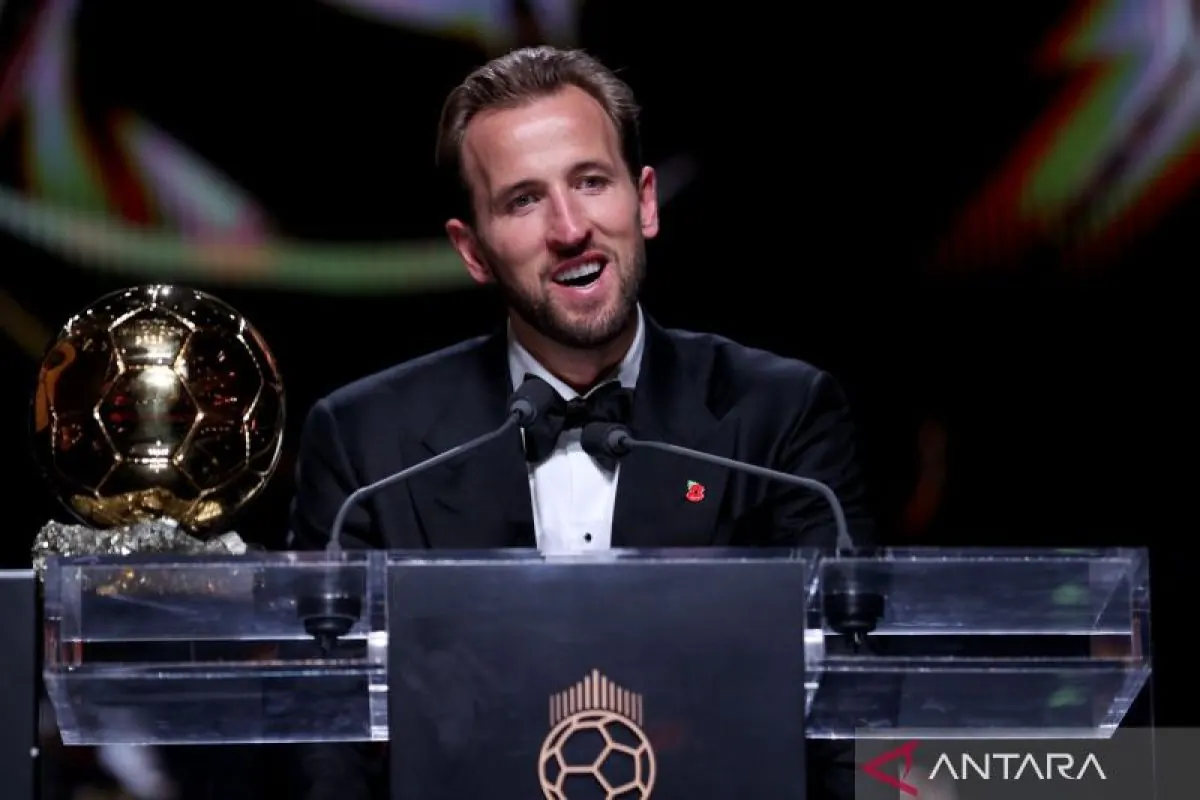
Harry Kane won the 2026 Ballon d’Or at a ceremony in London, England, on Monday, 26 October, finishing ahead of Kylian Mbappe and Lamine Yamal.
According to ANTARA, Indonesia’s news agency, this is the first Ballon d’Or for the Bayern Munich striker. Kane, 33, also received the Gerd Müller Trophy for the season’s best striker at the same ceremony.
Kane is the first English player to win the award in 25 years, since Michael Owen in 2001. In the 2025/2026 season, he scored 73 goals in 65 appearances for Bayern and the England national team in all competitions.
At club level, Kane helped Bayern retain their Bundesliga title, win the DFB-Pokal, Germany’s national cup competition, and lift the Franz Beckenbauer Supercup. Bayern also reached the Champions League semi-finals, while Kane finished as the Bundesliga’s top scorer for the third consecutive season.
What the Ballon d’Or means for a modern striker
The Ballon d’Or is an annual individual award presented by France Football magazine to the player judged to have produced the standout performances. It is often a reference point in public debates over who was the best player in a season, even though football remains a team sport. In the modern game, the award considers more than goals: it also takes into account a player’s influence on the team’s play, consistency in major competitions and ability to maintain a high level throughout the season.
For a striker, the main challenge is balancing the job of scoring with the team’s tactical needs. Modern forwards no longer simply wait for passes in the penalty area. They press opponents, create space, link play between the lines and sometimes set up chances for teammates. In many cases, a forward who wins the Ballon d’Or must show that his goals helped the team win titles, rather than merely adding to his personal statistics. A striker’s victory often marks a season in which individual numbers and collective success come together.
Kane’s achievement also stands out in an English context. English players have rarely dominated the award, with competition from around the world intense and attention often focused on players at Champions League-winning clubs. The Champions League brings together top players from different leagues under high-pressure conditions. When an English striker breaks through that dominance, the achievement is not only a personal milestone but also a sign that his performances have been recognised across leagues and generations.
The Gerd Müller Trophy awarded to Kane is named after the German legend renowned for his scoring prowess. An award for the best striker underlines the continuing importance of goalscoring, even though the Ballon d’Or assesses performance more broadly. Kane’s age adds another dimension. At the elite level, players over 30 can remain competitive with better training, nutrition and recovery. For a striker who relies on positioning, composure and decision-making, a decline in physical ability does not necessarily mean an immediate loss of sharpness. That makes individual achievements at a mature age increasingly relevant and worth noting. Age, then, is not the only measure of readiness when a player can adapt his style.
Lessons for young Indonesian players
For readers in Indonesia, Kane’s win will not directly affect ticket prices, federation policy or the domestic competition schedule. But his story is relevant to young players and coaches because it shows that the path to the top is not always quick. Loan spells, going without trophies and adapting to a new league can all be part of building mental resilience. Coaches can also use stories like his to explain that player development is not always linear and cannot be judged on the basis of a single season.
Among fans, the award may also shape discussions on social media, in football communities and in coverage of European leagues in Indonesia. Kane, Mbappe and Yamal could become the main points of comparison when people assess strikers’ performances. For viewers who follow the Bundesliga or the England national team, the result offers fresh context for watching their upcoming matches.
The question now is whether Kane can maintain his consistency after winning the game’s biggest individual award. The Ballon d’Or often brings new expectations rather than marking the end of a story. If his performances remain steady, coaches in Indonesia may continue to cite his story of age and patience as an example of how player development does not stop at a particular age.