IBL 2027 Tips Off on 9 January with Foreign-Player Quota Cut to Two
IBL 2027 is scheduled to begin on 9 January, with each club limited to two foreign players while the home-and-away format remains in place.
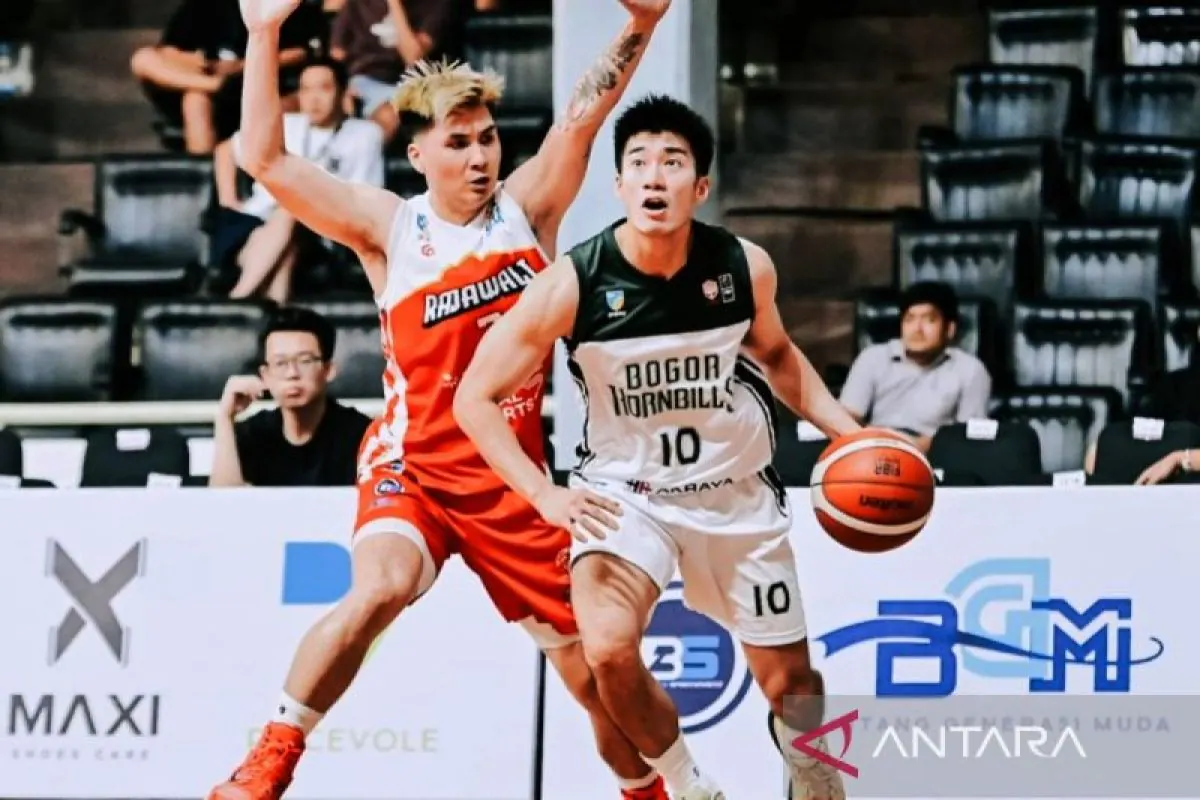
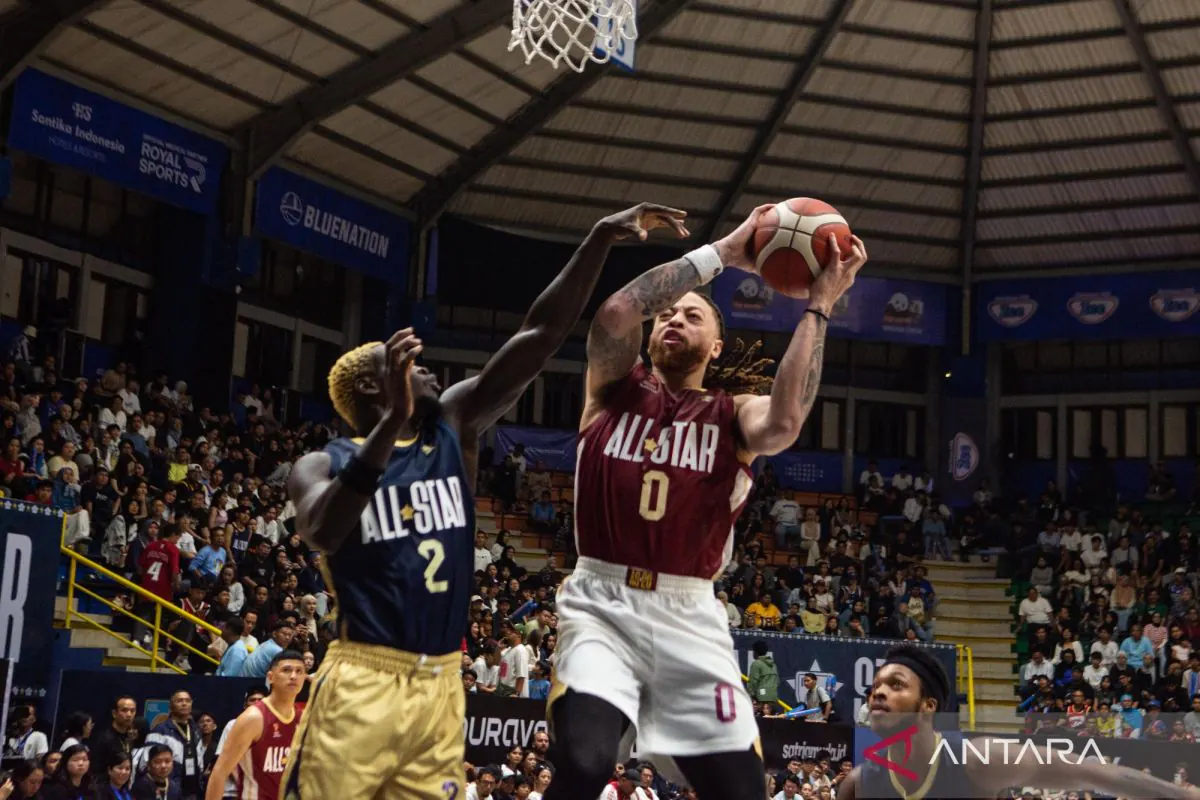
The Indonesian Basketball League (IBL) is scheduled to begin its 2027 season on 9 January 2027, with new rules limiting each club to two foreign players. Indonesia’s top professional basketball competition will retain its home-and-away format.
According to a report by ANTARA, Indonesia’s national news agency, the new rules follow an evaluation of the 2026 season and were discussed with club owners and the Indonesian Basketball Association (Perbasi). In the previous season, clubs could sign three foreign players, although only two could play at the same time. From 2027, the number each club can sign will be reduced to two.
IBL is also facing a change in the number of participating teams after Tangerang Hawks Basketball decided not to continue competing. Several technical rules, including how clubs can replace foreign players during the season, are still under discussion. The league’s final line-up and details on how the rules will be applied are therefore subject to an official announcement.
The Role of Foreign and Local Players
Foreign-player quotas are an important factor in building professional basketball rosters. Imported players can fill positions and roles a club needs, while local players compete for playing time and responsibility on the court. Limiting the number of foreign players changes the options available to coaches, but does not by itself determine who will become a starter.
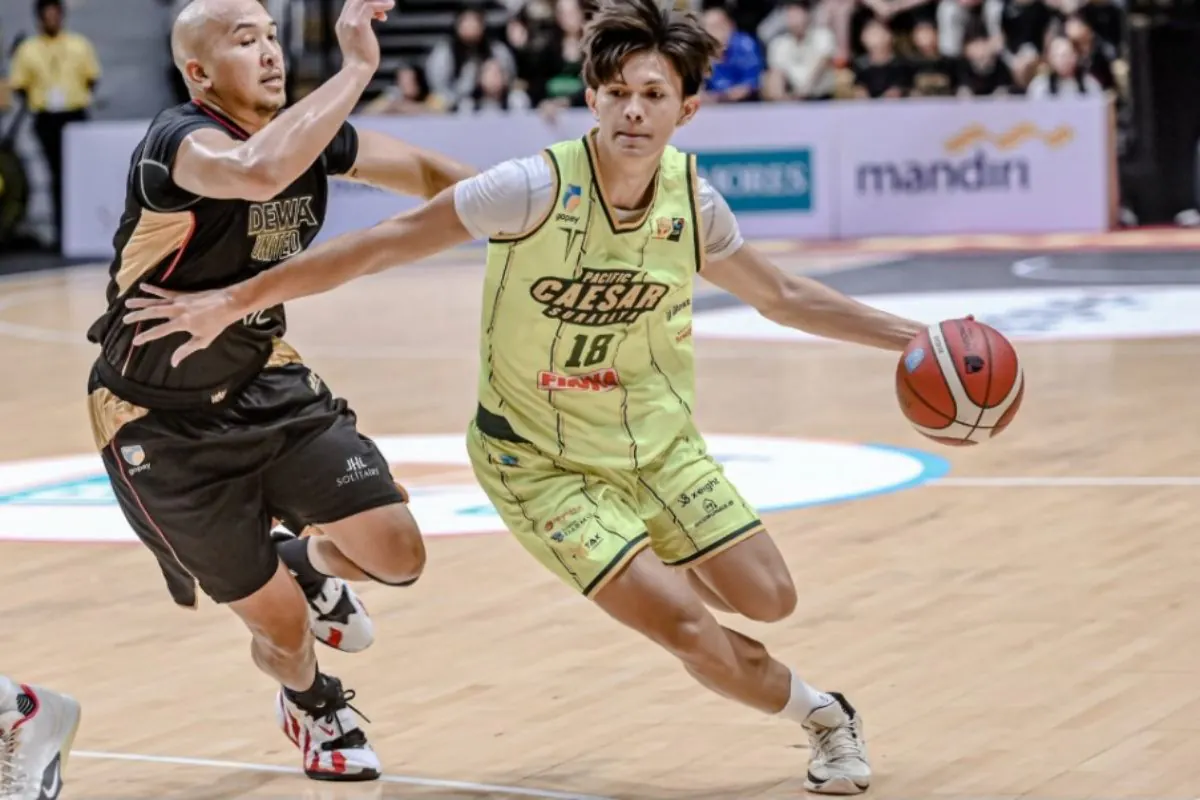
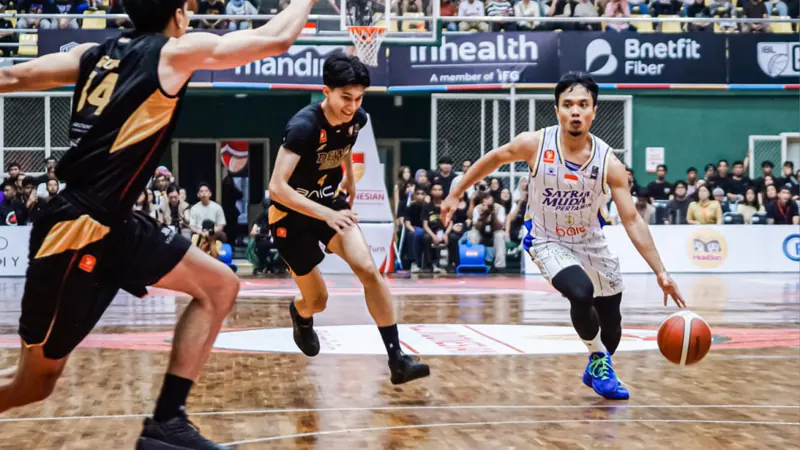
Playing time in a game depends on many factors, including tactical needs, player fitness, how well teammates fit together and the state of the game. Losing one foreign-player roster spot could create an opportunity for an Indonesian player, but that opportunity must be matched by readiness and convincing performances. Coaches will also need to maintain a balanced rotation to meet both offensive and defensive needs.
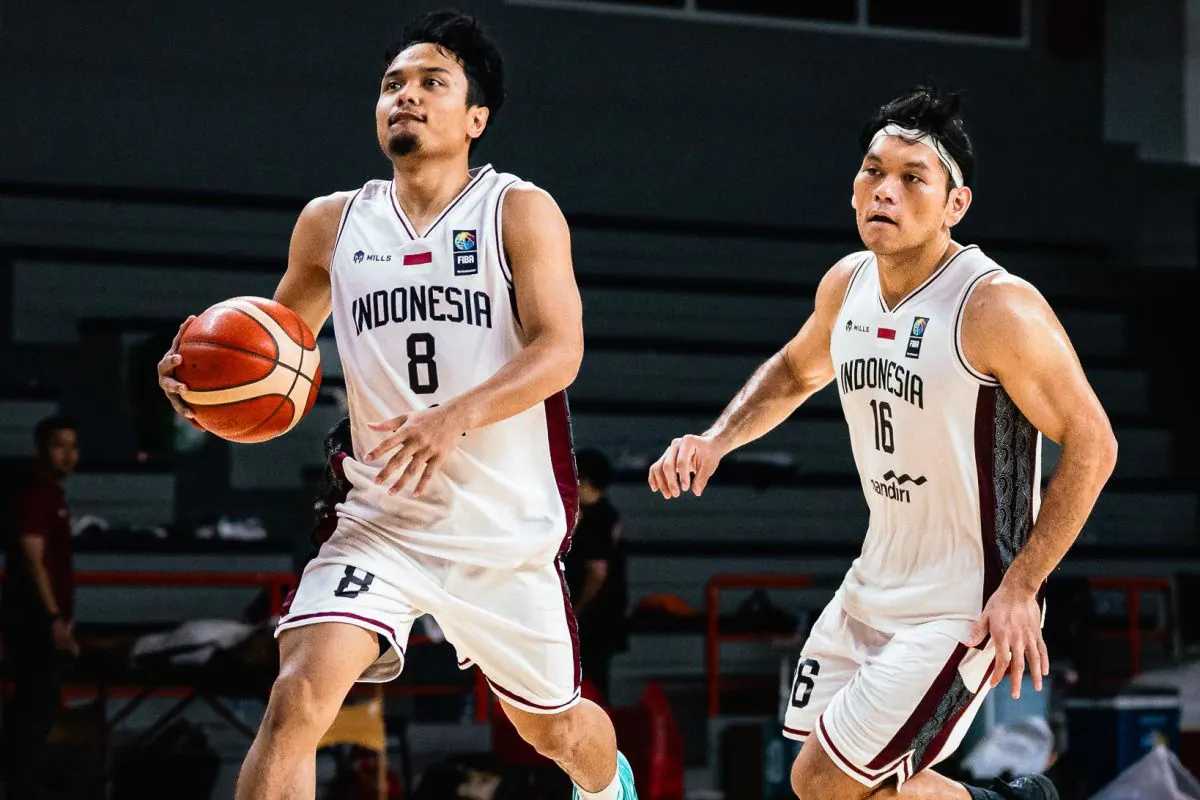
Developing local players is usually a gradual process. Young players need training, opportunities to compete and experience dealing with the pressures of competition. The league gives them a chance to test their skills in games, while clubs are responsible for developing players and assigning them suitable roles. More opportunities to play can support that process, but outcomes depend on the quality of development programmes and how consistently those opportunities are offered.
The rule change also adds to the work facing club management. Teams will need to be more selective in building their rosters and adapt their strategies to the players available. Details about replacing foreign players will affect planning throughout the season, particularly when clubs need to respond to changes in performance or team needs. Until the technical rules are announced, clubs and supporters will not have a complete picture of how the provisions will work.
What Basketball Fans Should Watch
For spectators in Indonesia, the most immediate benefit of the home-and-away format is the chance to watch their club play in their own city. Local games can also give supporter communities an opportunity to back their teams in person. However, the availability and comfort of attending games will depend on the schedule, venues and arrangements in each city.
The format also requires clubs to be operationally prepared. Travel between cities, venue use, promotion and crowd management are all considerations in staging the competition. Retaining home games can bring clubs closer to their supporters, but putting the format into practice will depend on clubs and the league being able to manage the requirements at each location.
The foreign-player quota change does not by itself guarantee better local players or have a direct effect on people’s everyday costs and activities. The key points to watch are the announcement of the technical rules, confirmation of the teams competing in the 2027 season, and whether Indonesian players actually receive larger roles and more playing time. Those developments will show how the new regulations affect competition and the growth of basketball in Indonesia.