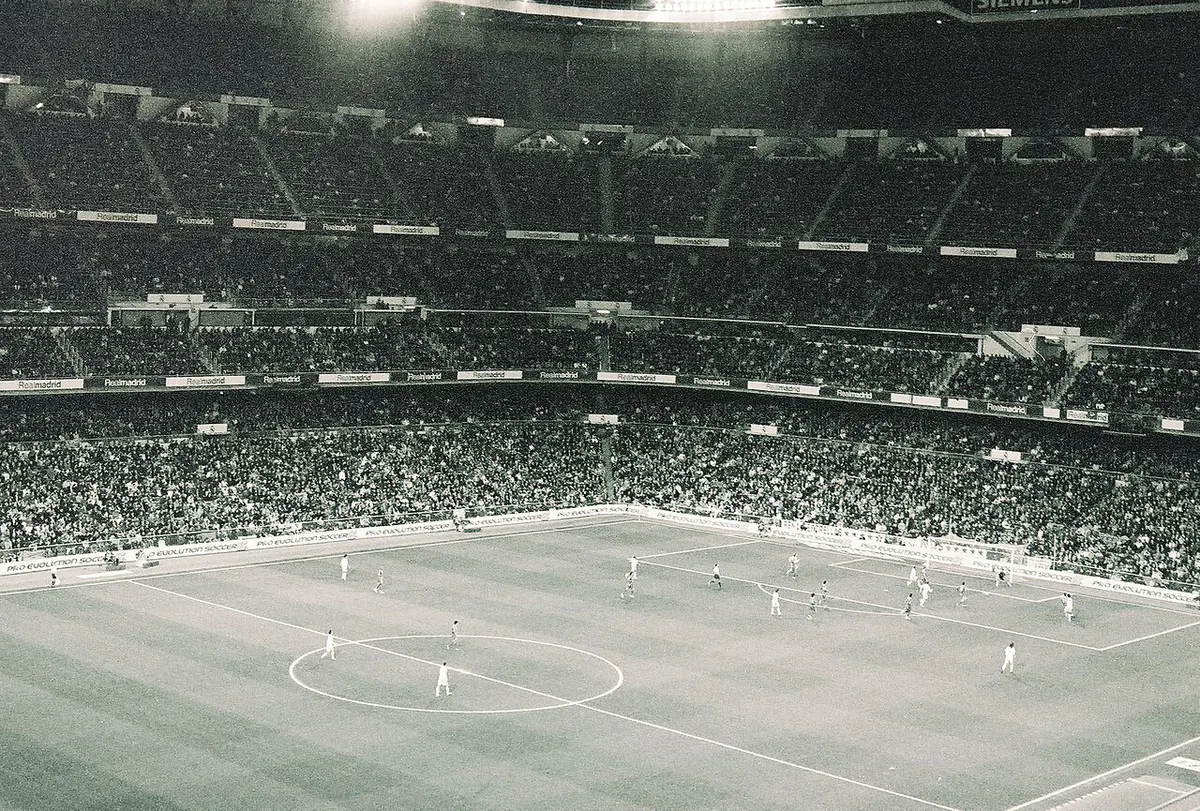
JJ Gabriel Bids Farewell to Manchester United as Real Madrid Move Takes Shape
JJ Gabriel has announced he is leaving Manchester United for Real Madrid, with the two clubs reportedly agreeing a deal for the 16-year-old defender.

JJ Gabriel has announced he will leave Manchester United to continue his career at Real Madrid, with Sky Sports reporting the two clubs have reached an agreement for the 16-year-old.
Gabriel remains registered with Manchester United's academy until the end of the season, but Real Madrid are expected to sign him in January. In a farewell message on Instagram, he thanked the club, coaches, staff and teammates, adding: “Manchester United will always be part of my story.”
He has never played a competitive first-team match, but featured in a pre-season game when Manchester United lost to AC Milan in the summer. Gabriel asked to leave in September and has not trained with the club since; his representatives also asked for him to be removed from the register immediately so he could become a free agent.
According to Sky Sports, a major factor in Gabriel's choice is his belief that the path to a first-team place at Real Madrid is clearer. The report also cites a FIFA loophole that allows European clubs to tie young players to professional contracts if they hold a European passport, which Gabriel has through both parents.
Youth transfer loophole and its rules
Cross-border moves by teenagers have always been a grey area between development and business. FIFA rules broadly prohibit international transfers before the age of 18, but exceptions make cases like Gabriel's possible. Within Europe, players aged 16 to 18 can move if certain conditions are met, particularly when a passport and family circumstances give them a legal basis to do so.
Manchester United run one of the most recognised academies in English football. The club often promotes young players when the first team needs cover, but that route is usually long and depends on position, injuries and the manager's trust. For a young defender, the competition at United is also tough because the club regularly brings in experienced defenders from other leagues.
Real Madrid, by contrast, have a reputation for collecting talent early and moving it into the first-team orbit. The Spanish club tends to treat young players not only as long-term projects but as assets that can quickly produce commercial and sporting value. The Bernabéu also offers a stage that is hard for a player's family to ignore, as visibility in La Liga and the Champions League can accelerate market recognition.
In the English system, academies also produce sale value when a young player is not part of first-team plans. In many European leagues, academies are not just places to develop but also pathways to promotion and transferable assets. But once a player already holds a European passport and falls within the permitted age for a move, the selling club's bargaining power shrinks. At academy level, competition also involves reserve teams, loans and junior tournaments, so a single transfer decision can change an entire development plan. The family factor becomes crucial because a decision at this age is rarely made alone.
What it means for Indonesian fans and young players
For Indonesian fans, this case is a reminder that Europe's top transfer market does not wait for players to mature. Big clubs now pursue teenagers who are only just emerging at academy level, so young names can quickly draw cross-continental attention. For Premier League viewers, sagas like this also change how clubs manage squads: players who have not yet proven themselves in the first team can already become high-value commodities.
In Indonesia, the more relevant lesson lies in youth development. Local clubs still struggle with competitions that do not always offer teenagers real playing time. When Indonesian young players eventually want to build careers in Europe, a passport, citizenship status and regulatory pathways will be just as important as technical quality. The youth transfer debate is therefore not just gossip about big clubs; it reflects how global football decides who can move, when, and on what terms.
For readers following the transfer, the things to watch are the timing of an official announcement and the player's contractual status, not just the rumours. Fans must also distinguish between a player's statement, a club's plans and formal approval.