TVRI Set to Broadcast U-17 World Cup 2026 on Two Channels
TVRI has prepared two channels, TVRI Nasional and TVRI Sport, to broadcast the U-17 World Cup 2026, with live and delayed coverage throughout the tournament.
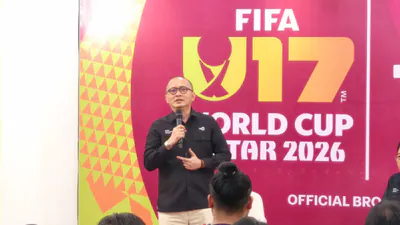
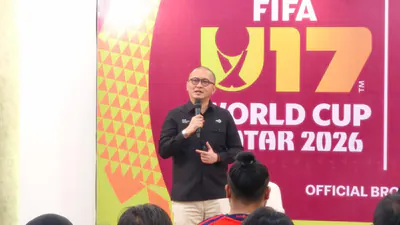
TVRI, Indonesia's public broadcaster (LPP TVRI), has prepared two channels for the U-17 World Cup 2026. The plan was announced at TVRI's media center in Jakarta on Monday, 16 November 2026.
In a TVRI News report, TVRI President Director Fiki Satari said TVRI Nasional and TVRI Sport will be used to reach viewers. TVRI has also prepared live and delayed broadcasts, particularly for the group stage.
The tournament is scheduled to feature 40 countries and 150 matches over 25 days. TVRI estimates its official broadcast package will exceed 208 hours, with up to 18 hours of live coverage a day. Production support includes two studios and five production sets, while a network of 34 regional TVRI stations has been prepared to support services and community engagement.
Beyond the matches, TVRI plans pre-match programs, journals, bulletins, podcasts, quizzes, coaching clinics, and watch-together events. It has also prepared more than 30 football micro-dramas and automatic clip-cutting technology to produce match highlights. TVRI said a complaint service and regional technical teams have been prepared to handle broadcast reception problems.
The Role of Youth Tournaments in Football
The U-17 World Cup is a national-team competition that brings together players in a young age group. Unlike senior tournaments, it gives players still in the early stages of development the chance to face opponents from other countries. Results remain part of the competition, but playing experience and learning also matter in their career paths.
Youth football brings together players with different experiences and development environments. Viewers can therefore see a variety of playing styles, decision-making, and teamwork without treating one match as a definitive measure of a player's future. Athlete development is gradual, shaped by training, playing opportunities, health, and support off the pitch.
Broadcasting such a tournament is also different from airing a single big match. A long competition produces many matches in close succession. Live broadcasts allow viewers to follow matches as they happen, while delayed broadcasts offer an alternative when match times clash with other activities or when live coverage is not being shown on the channel they are watching.
Behind the broadcast, sports production requires coordination between the match feed provider, technical crew, broadcast directors, commentators, and the team preparing companion programs. Disruptions can occur at various stages, from the source feed to reception at home. Equipment readiness and troubleshooting procedures are therefore a key part of the service, not just a control-room concern.
Programming outside the matches can help viewers understand the stories around the competition. Pre-match analysis, recaps, or football discussions offer room to explain strategy and context that may not be visible from the score alone. Local stories and community activities can also connect an international tournament to grassroots football experiences, provided information is kept distinct from promotion and speculation.
Broadcast Access and Viewer Choices
For viewers in Indonesia, the availability of two channels creates more possibilities for following matches, but it does not automatically mean every match can be watched live at the same time. Viewers need to check the schedule and channel assignments announced by TVRI. In a competition with a packed schedule, the choice between live and delayed broadcasts may determine how someone follows the team or match they are interested in.
Access quality also depends on reception conditions in each region and the equipment being used. If broadcasts encounter problems, information about channels, airtimes, and official complaint channels is more useful than relying on unverified schedules circulating elsewhere. The announcement did not include the match-by-match schedule or detailed allocation of matches, so viewers should wait for further information from TVRI.
For families and football communities, companion programs and watch-together events could be a way to enjoy the tournament together, but their availability depends on location and organisers' announcements. No direct impact on prices or sports policy in Indonesia can be inferred from this broadcast plan. What can be assessed going forward is schedule consistency, reception quality, ease of finding broadcasts, and how quickly transmission problems are addressed.