Why Adrien Rabiot Leaves Olympique Marseille After Rennes Incident
Adrien Rabiot left Olympique Marseille after a dressing-room clash with Jonathan Rowe following the 2025-2026 Ligue 1 opener in Rennes.
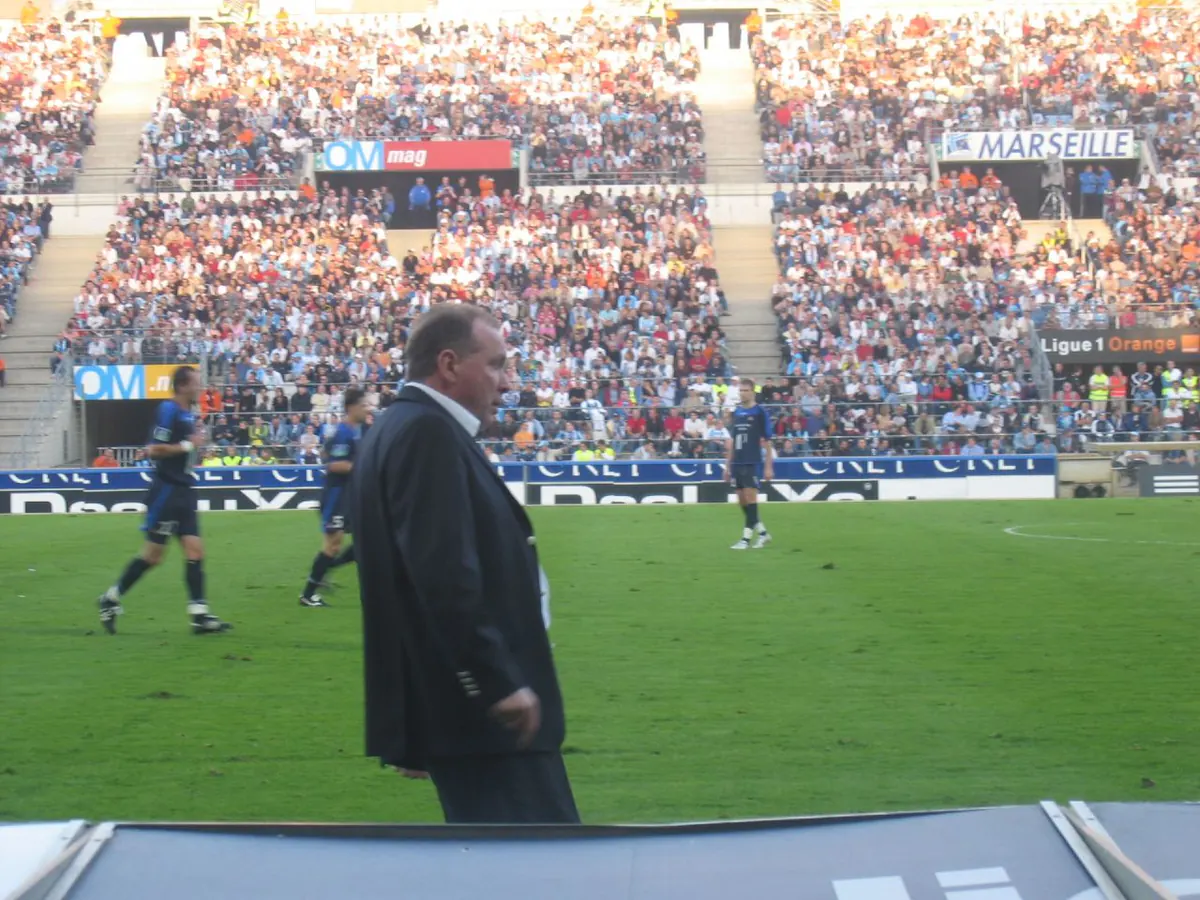
Adrien Rabiot left Olympique de Marseille several days after the opening match of France's top-flight Ligue 1 2025-2026 season against Rennes in Rennes, following a dispute with Jonathan Rowe in the dressing room. According to Football.fr, a French football website, the incident also helped determine coach Roberto De Zerbi's decision not to continue managing both players.
Marseille lost 1-0 after a goal in added time, despite having a numerical advantage for about an hour. After the match, Rabiot and Rowe were involved in a physical altercation. Medhi Benatia, who was Marseille's sporting director at the time, said Rabiot's attitude after returning from holiday had been seen as different from his usual approach, including in matters of discipline and punctuality.
Benatia said De Zerbi felt the players had ignored his request to stop the disturbance. The club's management then faced a choice between keeping important players and preserving the coach's authority. Speaking to Canal+, a French pay-TV channel, Benatia said an apology on the weekend after the match might still have calmed the situation, but it did not come at that time. Rabiot and Rowe were eventually released.
The role of the dressing room in football
Professional football is not decided only by a team's lineup or its tactics during a match. Relationships inside the dressing room shape how players carry out a coach's instructions, maintain focus and respond to poor results. That is why disputes between players can become a management issue, especially when they happen in front of teammates or continue after a match.
A coach is responsible for training and tactics, but also needs players' trust. When instructions to calm a situation are ignored, the problem can go beyond a personal quarrel. A club must assess whether the working relationship can be restored and whether disciplinary action is needed. Each team has its own policy; there is no single rule that automatically requires a club to release players after a conflict.
The sporting director usually acts as a link between the squad, the coach and club management in squad matters. That person can help find a middle ground, but the final decision also involves the club's direction and the coach's authority. A central midfielder such as Rabiot helps connect defense and attack. Losing a player with that function can change tactical options, although the impact depends on the squad's composition and the coach's decisions.
A numerical advantage does not guarantee victory. A team with more players can face a compact defense, while the time remaining and the quality of chances still decide the result. A last-minute defeat can add pressure, but a club's assessment of an off-pitch incident usually also considers discipline, communication and the condition of relationships inside the team.
Lessons for Indonesian football fans
For readers in Indonesia, the story is mainly relevant as a picture of how internal decisions at a major club can affect a season. The report shows no direct impact on prices, jobs or sports policy in Indonesia. The events took place in French football and concern Marseille's decisions about its players and coach.
Fans following Ligue 1 can see that match results are not the only factors shaping a club's direction. Discipline and relationships between players and coaches also influence squad building. However, one incident is not enough to explain an entire season. To assess the impact of Rabiot's departure more fully, it is also necessary to look at squad changes, playing consistency and Marseille's achievements in the competitions it enters.
Developments worth watching are how clubs handle similar conflicts: whether internal communication can prevent disputes from escalating, and how a coach maintains authority without neglecting the team's interests. That is a common issue in professional football, not a specific effect automatically felt by Indonesian viewers. For local readers, the clearest connection is a better understanding of the dynamics of the clubs they follow.