Indonesia's sports ministry hands gym and sport science equipment to PBSI
The Ministry of Youth and Sports (Kemenpora) has handed fitness and sport science equipment to the Badminton Association of Indonesia (PBSI) in Cipayung to support athlete development ahead of the 2028 Olympics.
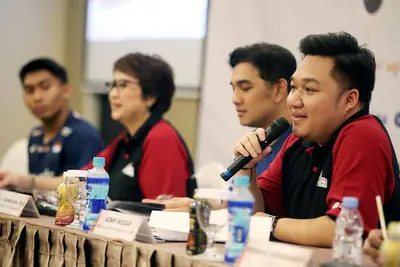
The Ministry of Youth and Sports (Kemenpora) has handed over fitness and sport science equipment to the Badminton Association of Indonesia (PBSI) at the PBSI national training centre in Cipayung, East Jakarta, on Wednesday, 28 January.
Kemenpora Secretary Gunawan Suswantoro handed the equipment to PBSI General Chairman Fadil Imran. According to a ministry report, the assistance is meant to support badminton development towards the 2028 Olympics and strengthen efforts to chase gold medals.
Fadil said the gym equipment assistance was worth Rp7.96 billion, or roughly US$500,000, while Catapult and cardio devices were valued at Rp2.4 billion, or roughly US$150,000. He said PBSI would manage the equipment for long-term development and data-based athlete monitoring.
The role of science in badminton
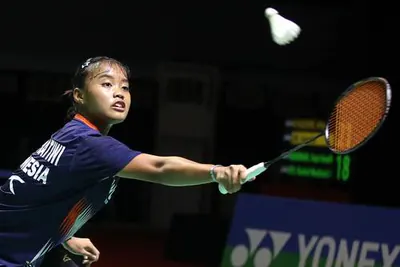
Badminton demands a blend of speed, endurance, strength, agility and split-second decision-making. Players can move repeatedly forwards and backwards, side to side, jump and change direction to chase the shuttlecock. Because the physical demands vary, training goes beyond court play; fitness programmes help build the physical capacity needed for demanding sessions and matches.
Gym equipment can be used to train strength and fitness according to each athlete's needs. Dumbbells, for example, are free weights that allow a range of movements, while stationary bikes can be used for cardio work. But equipment alone does not determine results: coaches and support staff must tailor training to an athlete's condition, the programme's goals and the stage of preparation.
Sport science applies scientific knowledge to support training and performance. Measurements may cover training load, bodily responses, movement and recovery. That data can give coaches an additional picture when planning programmes and assessing changes in an athlete's condition. Catapult is the name of a sports monitoring device; its exact function depends on the type of device and how data are collected. Readings still need to be interpreted alongside coaches' and medical staff's observations, not treated as automatic decisions.
At the Olympics, badminton features men's singles, women's singles, men's doubles, women's doubles and mixed doubles. Each event requires a different mix of abilities, so training cannot be fully standardised. Indonesia has a strong history in the sport: badminton delivered the country's first Olympic gold medals through Susi Susanti and Alan Budikusuma at the Barcelona Games in 1992. That history explains why Olympic targets carry great weight, but past success does not guarantee results in future editions.
Benefits of the support for Indonesia
For the Indonesian public, the equipment assistance does not directly change prices of daily necessities or produce an evenly felt impact in the short term. The expected benefits lie on the athlete development path: facilities can support training, and data can help monitoring. The scale of the impact will depend on how the equipment is used, maintained and matched to training needs.
Because public funds are involved, openness about how the assistance is used also matters. PBSI said it would optimise the equipment for long-term development. Going forward, the key things to watch are how the tools are used, whether measurements genuinely feed into training plans, and whether relevant athletes and staff receive access and support. Such information helps the public understand the link between government support and development processes without reducing them to promises of medals.
For badminton fans, the 2028 Olympic target provides a timeframe for preparation, but matches remain decided by many factors, including performance, physical readiness and international competition. Equipment and technology can be part of the support system; they are not replacements for development, coaching or competition. The measure of success is therefore not only the final result at the Olympics, but whether the support strengthens the training process consistently.
Related coverage
Related: Lanny/Ester improve consistency at Polytron Yogyakarta IC 2026; Polytron Yogyakarta IC 2026 opens the chance for local players to earn Badminton World Federation (BWF) points; Alwi Farhan prepares for the BWF World Tour Finals 2026.