Polytron Yogyakarta International Challenge runs from 17 to 22 November
The tournament runs from 17 to 22 November at GOR Amongrogo, with 369 participants from 17 countries competing for a share of US$20,000 in prize money.

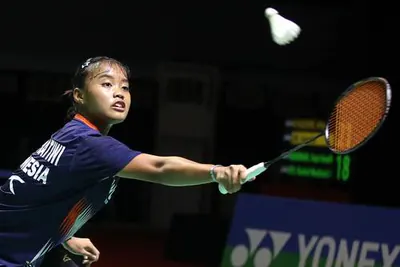
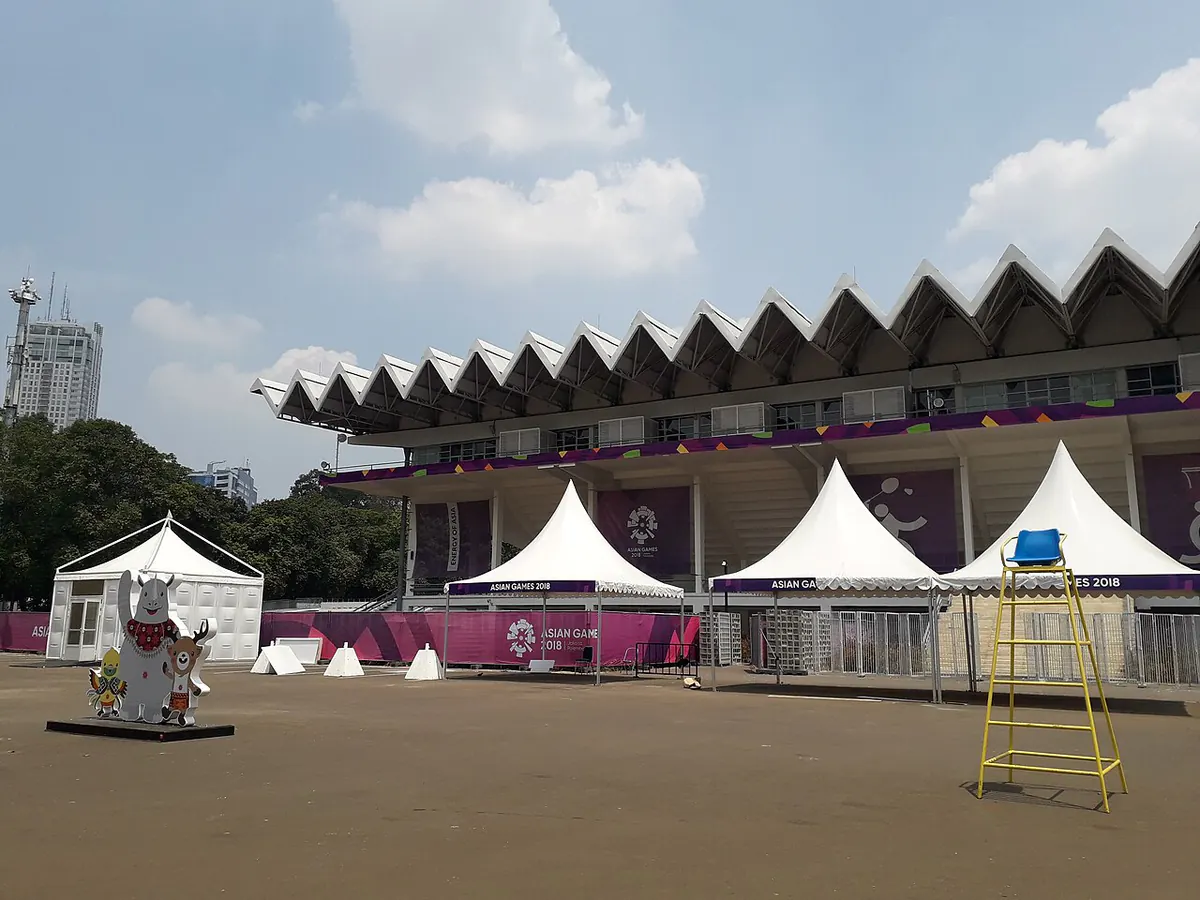
The 2026 Polytron Yogyakarta International Challenge will be held from 17 to 22 November at GOR Amongrogo, a sports hall in Yogyakarta, with 369 participants from 17 countries. The International Challenge-level badminton tournament is organised by Polytron with the Badminton Association of Indonesia (PBSI) and Badminton Asia.
According to a report by PBSI, Indonesia has entered 243 participants, the most of any country in the field. Malaysia is next with 67, followed by Chinese Taipei with 19. The tournament offers total prize money of US$20,000 and gives players a chance to earn world ranking points.
Indonesian players named as targeting strong results include Jolin Angelia in the women’s singles, Bismo Raya Oktora in the men’s singles, and mixed doubles pair Rehan Naufal Kusharjanto and Melati Daeva Oktavianti. Matches are free to watch in person at GOR Amongrogo. PBSI also said the semi-finals and finals on 21 and 22 November will be broadcast on iNews TV from 13:00 Western Indonesian Time (WIB).
A tournament pathway to higher levels
International badminton tournaments give players the chance to face opponents from other countries without having to wait for a major championship. Competition calendars feature tournaments at different levels. The International Challenge is one category below the main BWF World Tour circuit, but still offers international competition and world ranking points. The number of points players earn depends on how far they progress.
World rankings are one measure of a player’s consistency in competition. A player’s position can affect their chances of entering certain tournaments and their seeding in a draw, subject to each event’s rules. That means an International Challenge is not only about winning a title over the course of a week. Results can also contribute to an athlete’s longer-term effort to improve their ranking and earn opportunities to compete at higher levels.
For young players, tournaments like this also provide a chance to test their abilities in match situations that differ from training. They must manage pressure, read their opponents’ patterns and maintain consistency from one match to the next. Those qualities are not always reflected in the final score alone. Coaches’ assessments of playing patterns, fitness, focus and communication between doubles partners can help identify areas to work on in training.
Badminton features singles and doubles events, each with different tactical demands. Singles players need to cover the court and vary the pace, while doubles pairs rely on role-sharing, rotation and quick communication. Matches are generally played as the best of three games, each to 21 points. Players must adapt their strategies as conditions and opponents’ responses change, making both stamina and decision-making important.
Access for spectators and what the event means for Yogyakarta
For spectators in Indonesia, access to the matches is an immediate benefit. Yogyakarta residents can attend at GOR Amongrogo without buying a ticket, while viewers elsewhere can watch the semi-finals and finals on iNews TV. The announced schedule for the final stages also helps people plan when to watch, although the broadcast covers only the last two days of the tournament.
With 243 Indonesian participants, the tournament is relevant to supporters of the country’s badminton players, but the number of entries alone does not guarantee a result or title for the hosts. Competition will still be decided by performances on court and players’ ability to progress through each round. Spectator support can add to the atmosphere, while the results will show how the athletes fare in the tournament.
The organisers have said they hope the event will help promote Yogyakarta as a destination for sport and tourism. However, PBSI’s report does not include estimates of the economic impact or visitor numbers, so the effect on local businesses cannot be measured from the information available. What the public can be sure of is that international matches will be open to spectators, with the semi-finals and finals also televised. The results of Indonesian players—and whether they can make the most of competing at home—will be worth following.