Indra Widjaja Praises Ubed's Fighting Spirit After Kumamoto Quarterfinal Run
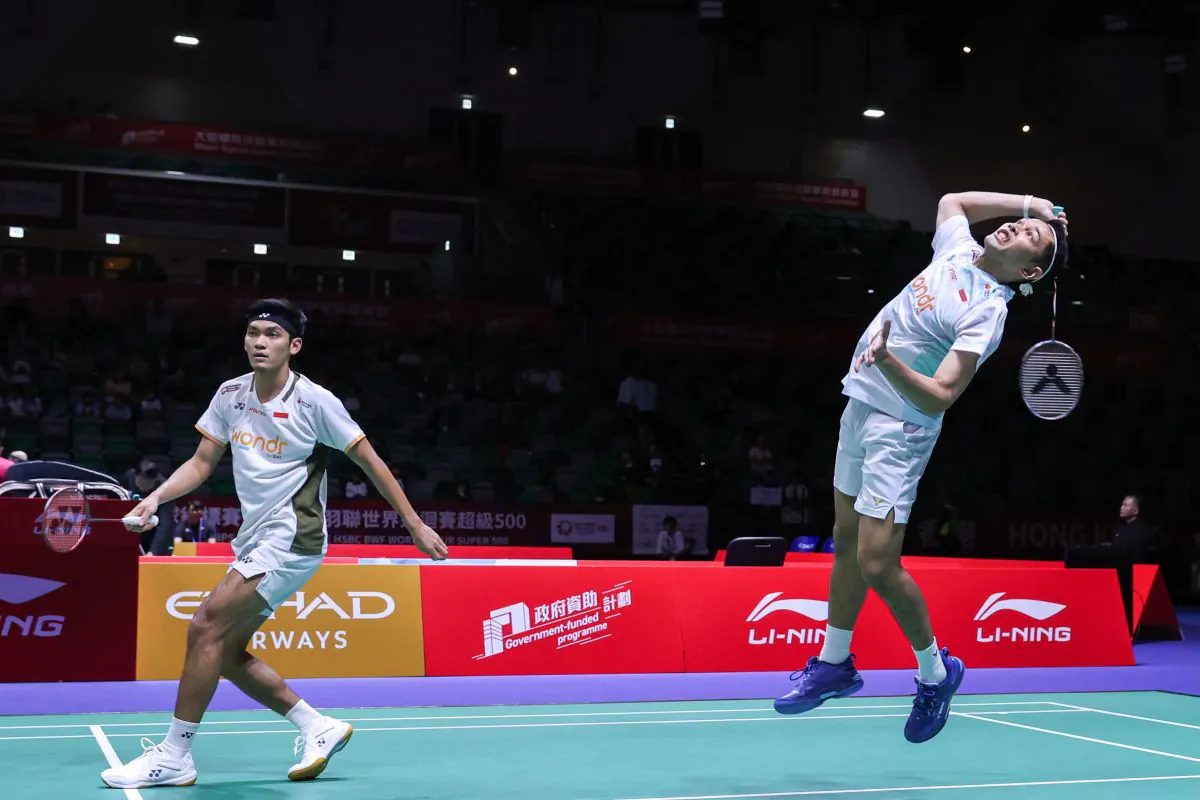
Indra Widjaja believes Ubed's fighting spirit at the Kumamoto Masters will serve him well as he heads to the Hong Kong Open, which starts on 17 November.
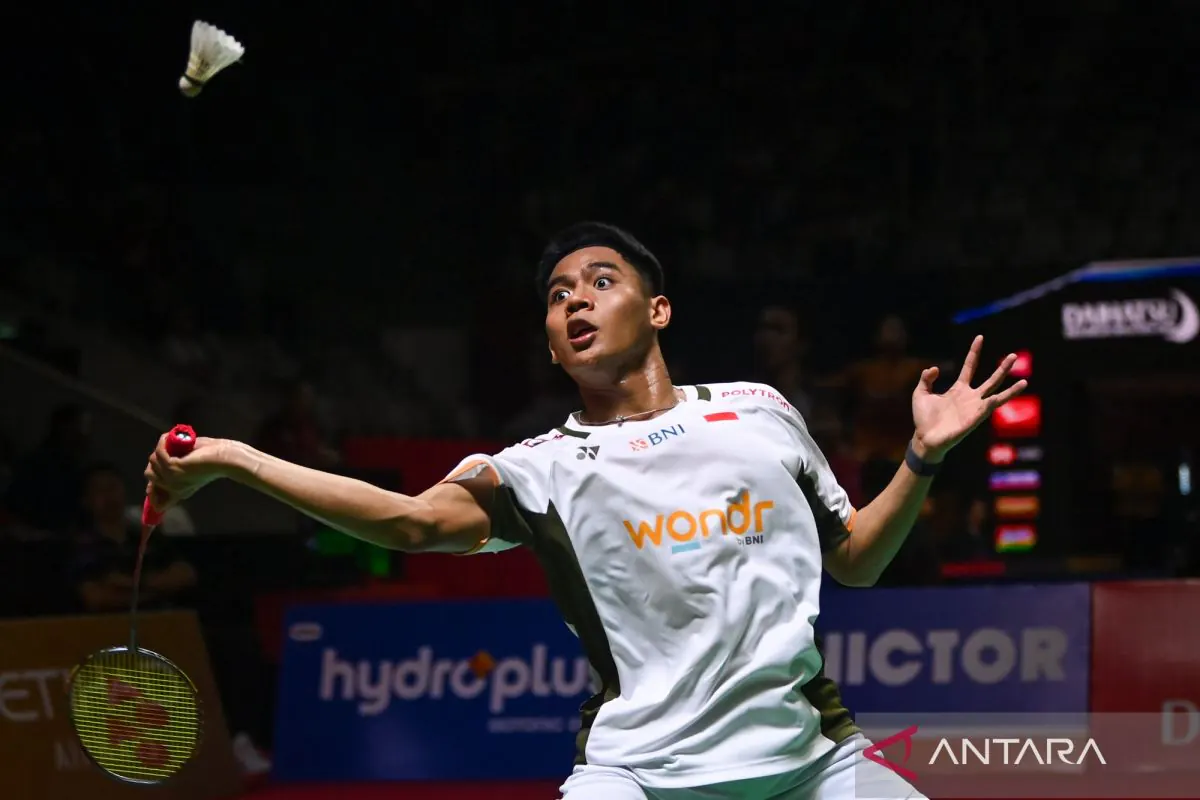
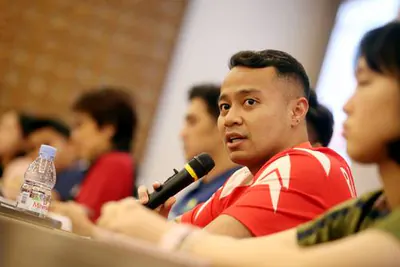
Indra Widjaja, men's singles coach at the national badminton training centre (Pelatnas) of the Badminton Association of Indonesia (PBSI), praised the fighting spirit of Mohammad Zaki Ubaidillah after the player, known as Ubed, reached the quarterfinals of the Kumamoto Masters Japan 2026. The result provides Ubed with valuable preparation for the Hong Kong Open 2026, running from 17 to 22 November, according to a report by Indonesian state news agency Antara.
In Kumamoto, Ubed beat Brian Yang and top seed Christo Popov before his run was stopped by Alwi Farhan, to whom he then lost in the quarterfinals. It marked an improvement after Ubed was eliminated in the first round of the Korea Open 2026.
Indra said Ubed, Alwi, and Muhamad Yusuf still need more match experience and must learn to face opponents with different playing styles. In the first round of the Hong Kong Open, Ubed will meet Chou Tien Chen.
The challenge of developing singles players
A badminton player's development is not always visible from the result of a single tournament. Wins and losses offer a picture of performance on match day, but the process of building a player also includes the ability to read situations, stay consistent, and adjust strategy when facing different opponents. That is why repeated match experience is an important part of a young athlete's journey.
In singles, a player must manage a large area of court through footwork, shot selection, and energy management. Long rallies test physical endurance and patience alike. A player also has to decide when to keep a rally going, speed up the tempo, or take risks to open up space. Technical skill alone is not enough if decisions on court are not suited to the state of the match.
Badminton matches generally use a best-of-three games format. A game is played to 21 points, and a player must win by two points; if the score continues, the ceiling is 30 points. This format allows momentum to shift inside a single match. Players must stay focused not only throughout each rally but also when the score nears the end of a game and every mistake can give the opponent an opening.
The Hong Kong Open is part of the BWF World Tour at the Super 500 level. That ranking places it among a number of tournament tiers on the World Tour calendar, such as Super 300, Super 750, and Super 1000. For players, different tournaments provide the chance to test themselves against opponents with varied backgrounds and playing patterns. Still, a single result at one level does not in itself guarantee a similar outcome at the next tournament.
Coaches help players turn experience into material for evaluation. Records of an opponent's attacking patterns, endurance in rallies, and shot choices can be used to prepare for the next match. Players also need to learn to separate the result from the improvement process: a win can still leave aspects that need fixing, while a loss can highlight parts of the game that have developed.
What Ubed's performance means for fans
For Indonesian badminton fans, Ubed's run gives a reason to keep an eye on the development of the country's men's singles players beyond simply noticing who becomes champion. A win over a strong opponent can be an important experience, but a fuller measure of progress can be seen in how a player handles pressure and holds the quality of his game across many opportunities. Such an evaluation helps readers place a single result in proper perspective, without making it a guarantee of achievement at other tournaments.
The direct impact of this match result on prices, employment, or public policy in Indonesia is not visible. Its relevance lies mainly in sport and in support for national athletes. Spectators can follow the draw and Ubed's progress in Hong Kong while understanding that a new opponent brings different tactical challenges. The meeting with Chou Tien Chen is the next test, but its result cannot be predicted simply from his performance in Kumamoto.
For player development, experience in international tournaments gives athletes the chance to encounter variations in tempo and strategy that may differ from those in other matches. The next focus is not only on the scoreboard but also on Ubed's consistency and ability to adapt. As Indra stressed, the process of adding experience is still under way. Proportional support, therefore, means appreciating progress without burdening a young player with the demand that every result immediately end in a title.