Jolin Angelia and Bismo Raya Target Titles at Polytron Yogyakarta IC 2026
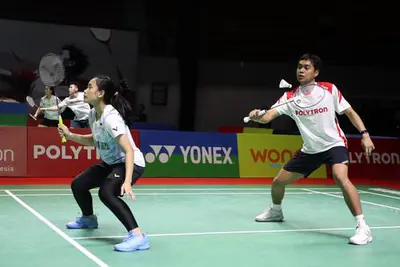
Jolin Angelia and Bismo Raya Oktora are targeting the best possible result at the Polytron Yogyakarta IC 2026, focusing on readiness and composure.

Jolin Angelia and Bismo Raya Oktora are targeting the best possible results at the Polytron Yogyakarta International Challenge 2026 in Yogyakarta, a tournament featuring shuttlers from 17 countries.
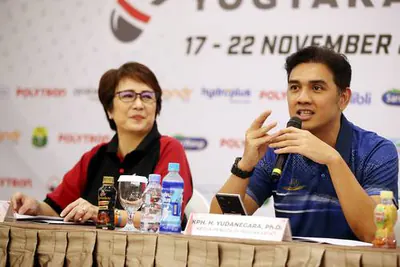
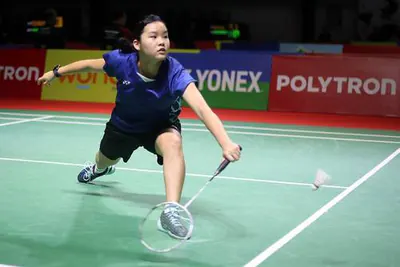
Jolin said her preparation has been going well, according to a Djarum Badminton report on 16 November 2026. She is still working on sharpening her focus and composure after evaluating her performance at the World Junior Championships 2026, and she hopes the home crowd's support will provide extra motivation.
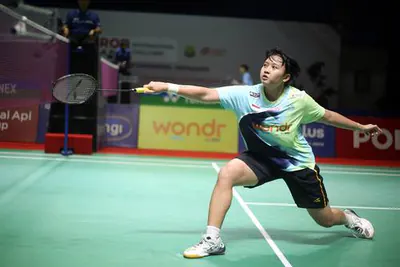
In the men's singles, Bismo described the event as his last chance to compete this year. He is paying close attention to his physical condition and mental control, and wants to take the matches one at a time.
Singles Challenges at International Tournaments
The Polytron Yogyakarta International Challenge is part of the international badminton competition circuit. The International Challenge tier gives players the opportunity to face opponents from other countries and collect experience and ranking points in line with tournament results and regulations. Events such as this also serve as a venue for measuring athlete progress beyond the major championships.
The number of countries involved hints that the matches may feature a wide range of playing styles. Yet the size of the field does not automatically reflect the difficulty of any single match. The draw, the quality of opponents, player fitness, and readiness on the day all shape an athlete's journey. A title target is therefore an ambition, not a guarantee.
Singles requires players to manage the court and their energy independently. Athletes must move opponents from front to back, then look for openings to attack without leaving gaps. This pattern blends physical stamina, shot precision, and the ability to read the game. A poor shot selection or a slow return to the ready position can hand the opponent control of the rally.
Under standard badminton rules, a match is played as the best of three games. A game goes to the player who first reaches 21 points with a minimum lead of two, and if the score reaches 29-29, the 30th point decides it. That format allows momentum to shift quickly, so players must keep making the right decisions whether they are behind or ahead.
The focus and composure Jolin spoke of are closely linked to these demands. Players need to stick to their game plan, but also adapt when an opponent changes the tempo or direction of the attack. Meanwhile, Bismo's attention to physical condition matters because a singles match can demand repeated movement across the entire court. Managing energy is not simply about running less; it is about choosing when to defend and when to take risks.
Home Crowd Support and Indonesian Players' Hopes
For Indonesian fans, the presence of home players makes an international tournament easier to follow up close. Direct support can give athletes an emotional lift, but the result still depends on what happens on court. A lively atmosphere also requires players to stay focused and avoid being distracted by the pressure of meeting fans' expectations.
The targets Jolin and Bismo have set highlight two things readers can observe during the competition: how consistently they carry out their game patterns and how they cope with difficult moments. In singles, the score does not always tell the full story of a match. The ability to stay in rallies, cut down unforced errors, and adjust tactics when needed can be important clues to a player's performance.
The tournament also gives fans the chance to get to know Indonesian athletes beyond the names that regularly feature on the biggest stages. That said, the information currently available does not include match schedules or results, so there is no basis to draw conclusions about the two players' prospects or final achievements. The development worth watching is their performance over the course of the matches and whether the preparation they mentioned can be applied under competitive pressure.