Quique Sánchez Flores Praises Team for Sevilla Point and Questions Penalty Decision
Quique Sánchez Flores said his side deserved credit for a point and a clean sheet at Sevilla's Ramón Sánchez-Pizjuán, while questioning the penalty award that goalkeeper Sivera saved.
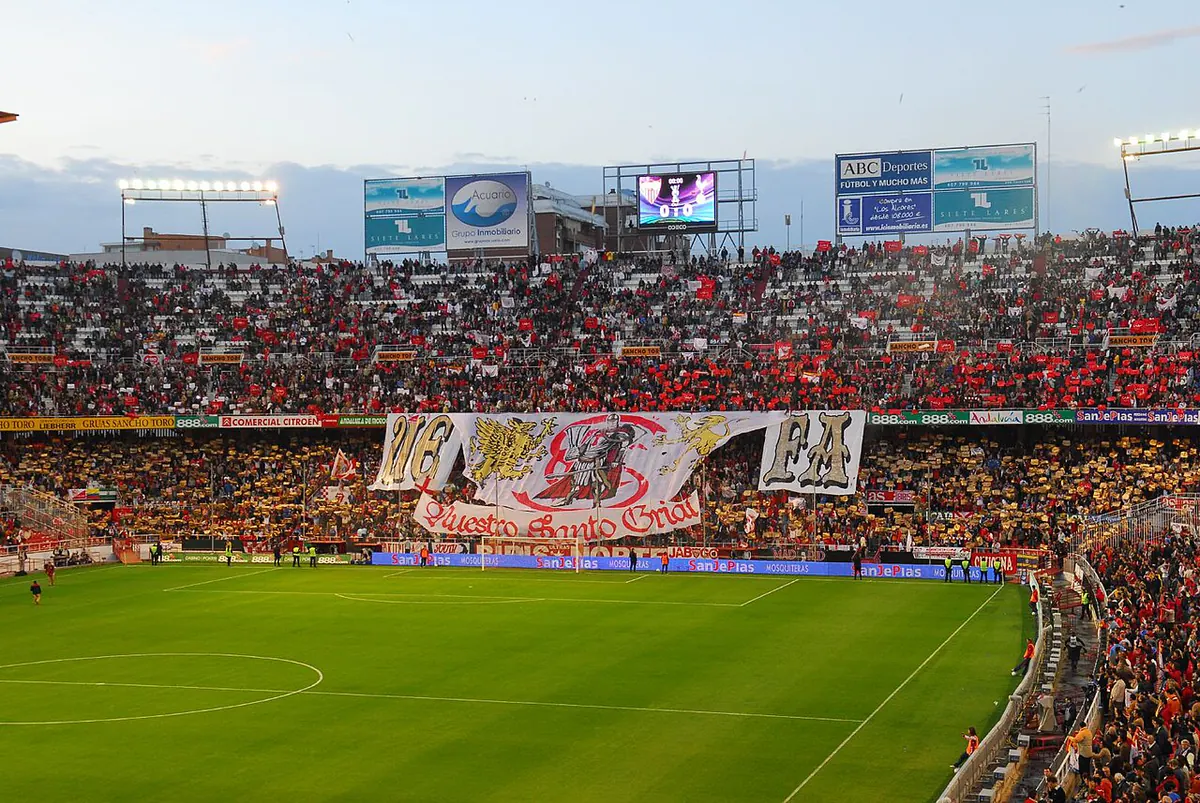
Quique Sánchez Flores believes his team deserved credit for taking a point from the LaLiga match at Sevilla's Ramón Sánchez-Pizjuán stadium, as reported by Marca.
Quique said his side matched the hosts' intensity and kept a clean sheet. He noted it was their fourth clean sheet in 12 matches, having recorded five in the previous season. Though their attacking opportunities were limited, he felt the team had managed to create dangerous moments.
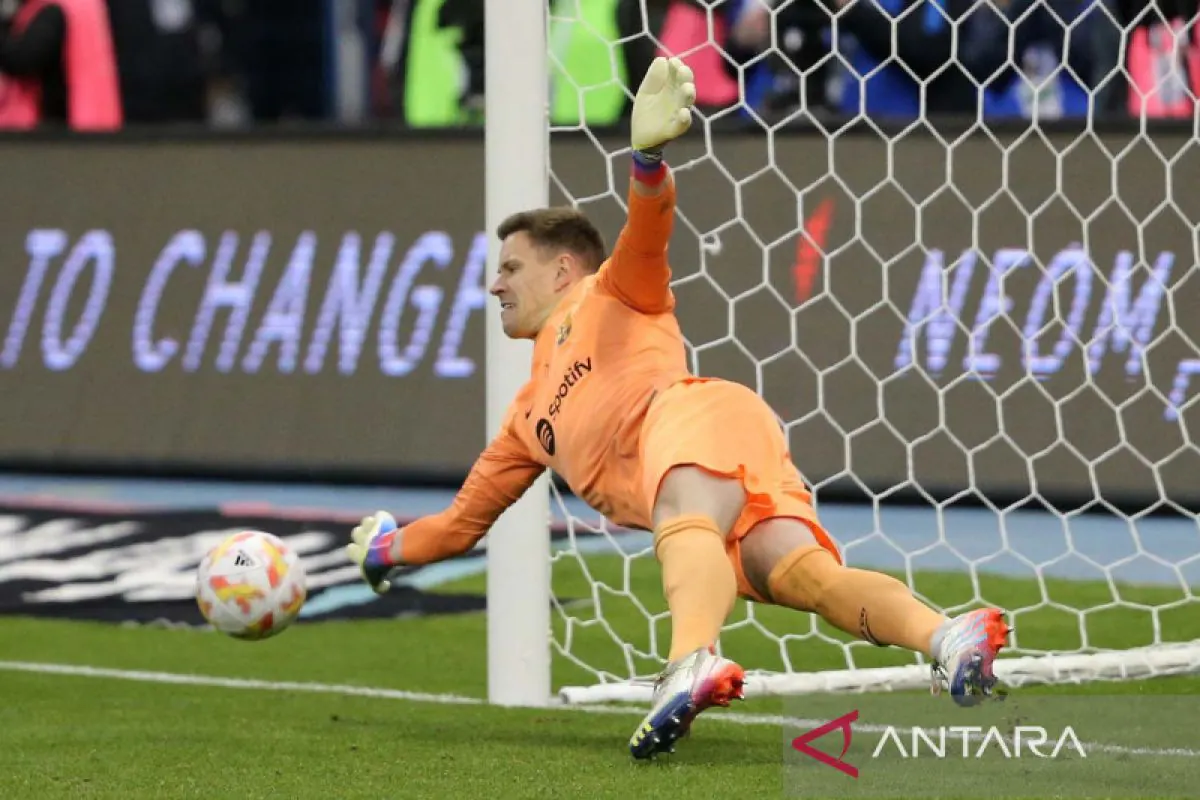
Quique also questioned the referee's decision to award a penalty, while stressing his respect for the match officials. Goalkeeper Sivera saved the spot kick. Quique said it was the second penalty Sivera had saved, following a previous stop in Bilbao.
What the Point and the Clean Sheet Mean
In league football, a point is usually earned when a match ends in a draw. A point may look modest on its own, but its value depends on the circumstances: the opponent, whether the team is at home or away, and how much pressure they face. Because the available report does not give the score or the league positions, this result alone is not enough to draw conclusions about any change in the team's prospects.
Playing away can pose a different challenge. Home support, early pressure, and the hosts' attempts to win the ball mean the away team must manage its energy and choose when to attack. Quique described the match as being played at high intensity. He also felt Sevilla's pressing limited his team's ability to receive the ball, turn, and build attacks.
A clean sheet means a team has not conceded a goal in a match. The term is often used to assess defensive work, but it is not a complete measure of performance. A team can defend well without being tested much, or it can lean heavily on the goalkeeper. The number of chances faced, the positioning of the defenders, protection from midfield, and the goalkeeper's decisions all shape the full picture.
A penalty is a close-range scoring chance awarded after certain fouls in the penalty area. Because the opportunity is so clear, the decision to award it is often a pivotal moment. However, the assessment of the foul and the referee's decision are separate from the outcome of the kick: in this case, Sivera kept the ball out, while Quique questioned the decision that came before it. This separation matters, so that criticism of the decision does not erase the goalkeeper's role.
The save mentioned by Quique came after Sivera had also stopped a penalty in Bilbao. That comparison suggests he has faced a similar situation before, but it does not mean every subsequent kick will have the same direction or result. For the team, the goalkeeper's ability to read the kick is one part of preparation; for the taker, variation in direction and composure also play a part.
What Indonesian Fans Can Take From It
For LaLiga fans in Indonesia, a result like this is useful for reading a match beyond the simple matter of winning or losing. A point away from home can show that a team is able to hold up under pressure, but the number alone does not explain whether the result is satisfactory without looking at the league table and the season's targets. Readers should distinguish a report on one match's performance from conclusions about a team's strength over an entire competition.
The penalty debate also shows why a single decision can be a talking point after a match. Viewers can reassess the incident using replays, but the final judgment remains with the match officials and the competition's rules. When following the news, it is important to separate a coach's criticism of a referee's decision from the fact that the penalty really was awarded and then saved by the goalkeeper.
There is no direct impact from this result that can be confirmed on prices, jobs, or policy in Indonesia. Its relevance is mainly for audiences who follow Spanish football: this match highlighted the relationship between opponent pressure, defensive discipline, and limited chances. To understand what the point means for the team, the next things to look at are its position in the standings and its results in the coming matches; that information is not detailed in the report on which this article is based.