TVRI plans 2026 FIFA U-17 World Cup coverage and support for small businesses
TVRI plans to air the 2026 FIFA U-17 World Cup across its national network and regional stations, with supporting events intended to create opportunities for micro, small and medium-sized enterprises.
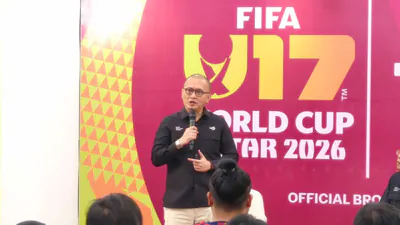
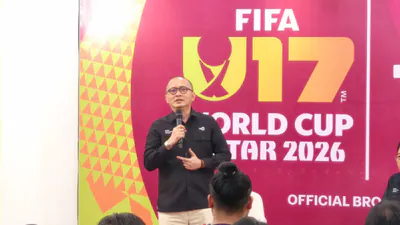
Indonesia’s public broadcaster TVRI is preparing coverage of the 2026 FIFA U-17 World Cup across its national network and regional stations, hoping related events will also help stimulate local economies. The plan was announced in Jakarta on Monday, 16 November.
According to TVRI News, TVRI will use TVRI Nasional, TVRI Sport and its 34 regional stations to reach viewers. Supporting programmes will include match analysis, podcasts, quizzes, football training and football-themed micro-dramas made by young regional creators.
TVRI President Director Fiki Satari said the broadcaster’s experience covering previous tournaments had helped shape its plans to develop the service. TVRI will also use an artificial intelligence-powered automated video clipper so match highlights can be available on TVRI Trends no later than 15 minutes after a game ends. Watch parties and regional programmes are expected to provide opportunities for micro, small and medium-sized enterprises (MSMEs).
The role of broadcasts in youth football
The FIFA U-17 World Cup is an international football competition for players under 17. Youth tournaments serve a different purpose from senior competitions: alongside determining match results, they give young players the chance to face opponents from other countries and gain competitive experience. For viewers, youth football also offers a glimpse of players’ early development before they move on to higher levels of professional football.
Sports shown on terrestrial or free-to-air television can be watched via a network of transmitters without a paid TV subscription. This kind of reach matters in an archipelago, where internet access, data costs and network quality can vary from place to place. Over-the-top (OTT) services, by contrast, deliver video over the internet and are usually watched through an app or website. The two offer different ways to access content, so having several channels can help reach viewers with different habits and circumstances.
As a public broadcaster, TVRI has a mandate to provide information and entertainment services for the wider public, making sports coverage part of that role. Its function is not simply commercial promotion. National broadcasts can bring attention together around an event taking place at the same time, while regional stations can feature local material and perspectives. Balancing match coverage with supporting programmes is important so viewers receive more than content from the centre.
Watch parties are also a social tradition around major televised matches. They can take place in public spaces, businesses or local communities. In general, food and drink businesses may have an opportunity to serve visitors, while local creators can make content related to the matches. But the size of that opportunity will vary from place to place. Crowds, match times, venues and how well organisers manage events all affect whether viewers’ attention translates into spending at nearby businesses.
Business opportunities and what to watch
For people in Indonesia, the most immediate benefits of this plan are access to the matches and the possibility of economic activity around supporting events. MSMEs such as food vendors, small businesses supplying event needs and local creators may be able to participate if organisers offer partnerships and events are run in an orderly way. A national broadcast plan alone, however, cannot guarantee higher incomes. Its actual impact will depend on how many events take place, whether local businesses are involved and whether visitors make purchases there.
Automated video clipping could also make match highlights easier to find for viewers who are not watching live. This may help spread key moments on digital platforms, although reach will still depend on internet access and user habits. Digital content can give MSMEs a way to promote products or local events, but it does not guarantee sales. Success should be measured not only by crowds or view counts, but also by ease of access and benefits felt by local communities.
The key issue to watch is how TVRI and regional organisers turn the plan into events that are accessible and well organised. Broadcast schedules, watch-party locations, public access and opportunities for businesses to take part should be communicated clearly. Until implementation details are available, the link between tournament coverage and local economic growth remains a possibility, not a guaranteed outcome. Readers can follow progress by looking at the events that take place and the involvement of MSMEs in their areas.
Related stories
- Five Muslim players nominated for the 2026 Ballon d’Or
- Eight foreign Super League players called up to the national team for September 2026
- FIFA ASEAN Cup 2026 ticket guide: prices and purchase requirements